
From Plant to Pants: 6 Essentials Every Man Should Know About Fabric
Fabric choice defines comfort, elegance, and durability—especially in the tropics. From fiber selection to batik craftsmanship, understanding how textiles are made helps men dress intentionally and invest in garments that last.

Understanding fabric is key to achieving both comfort and elegance in menswear, especially in tropical climates. While many overlook textile production complexities, the materials and processes behind each garment significantly influence how clothing looks, feels, and lasts.
Here are six essential aspects every man should know to make informed choices when selecting fabrics for classic menswear.
Must Know Fact #1: Fiber Selection
The journey of any fabric begins with its fibers—the basic building blocks of all textiles. Fiber quality is defined by flexibility, fineness (diameter), and length-to-thickness ratio, with longer fibers generally being superior. Fibers come from either natural or synthetic sources.
Natural Fibers
Natural fibers come from plants and animals and are generally preferred for classic menswear, especially in hot climates.
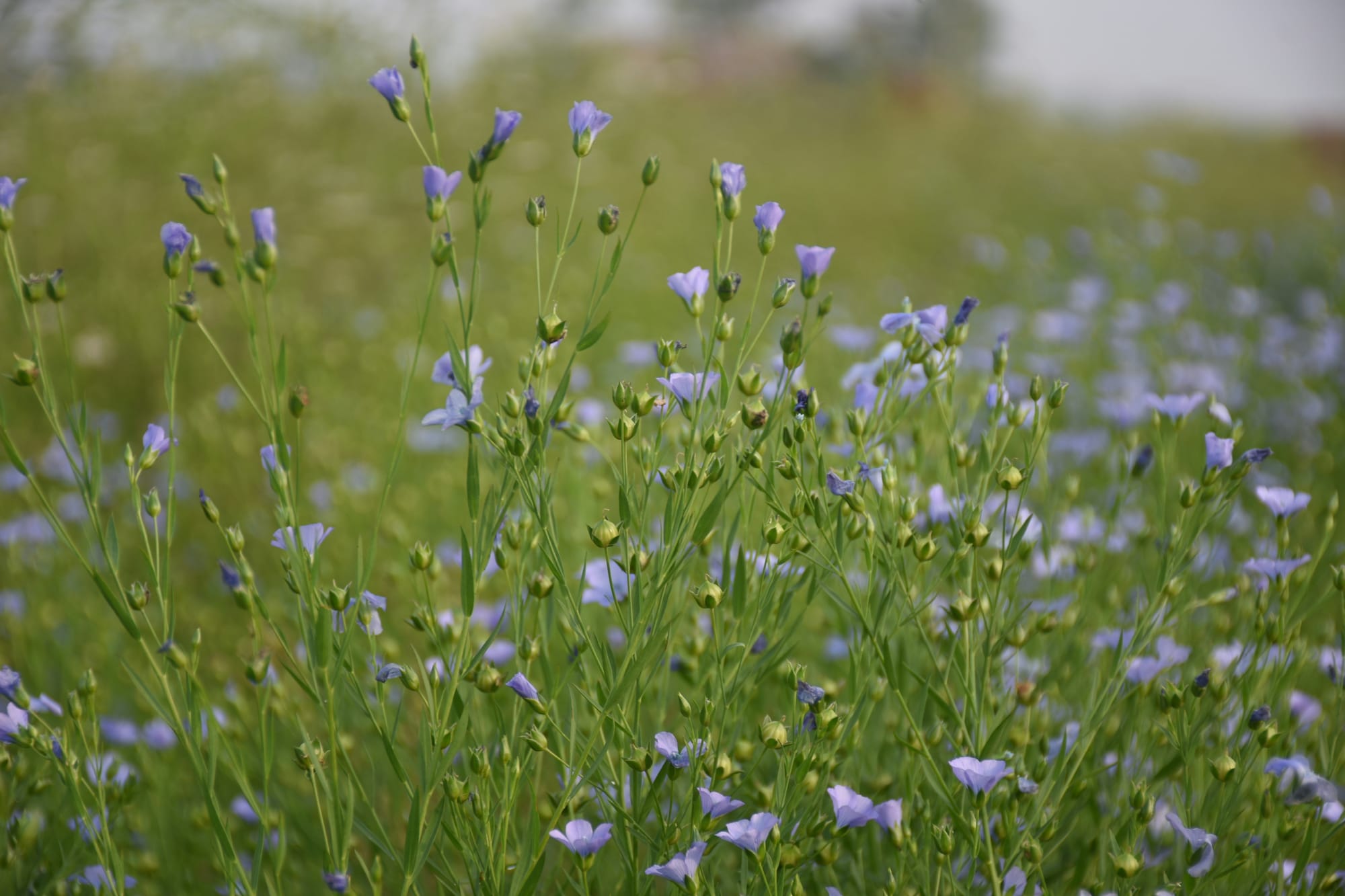
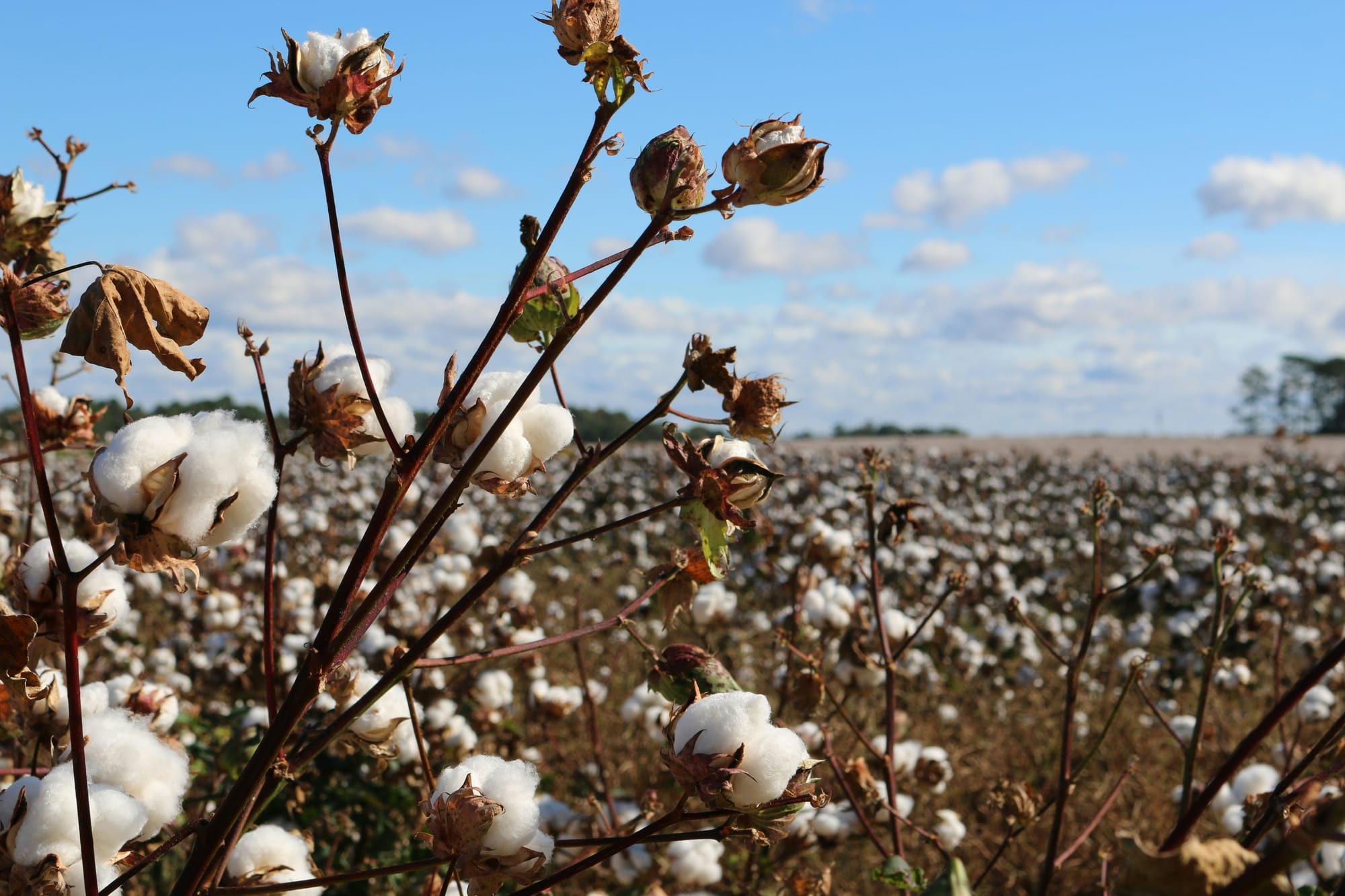
- Plant Fibers: These include cotton, linen (from flax), hemp, and bamboo. Cotton offers excellent breathability and moisture absorption, though its environmental impact is significant due to water and pesticide usage. Linen is ideal for tropical climates because of its exceptional cooling properties. Hemp, historically valued for strength, is making a comeback as legal restrictions ease. Bamboo, while sustainable and luxurious, remains rare in most tailoring houses. Indonesia also features unique plant-based fibers like banana, which is lightweight, durable, and sustainable.
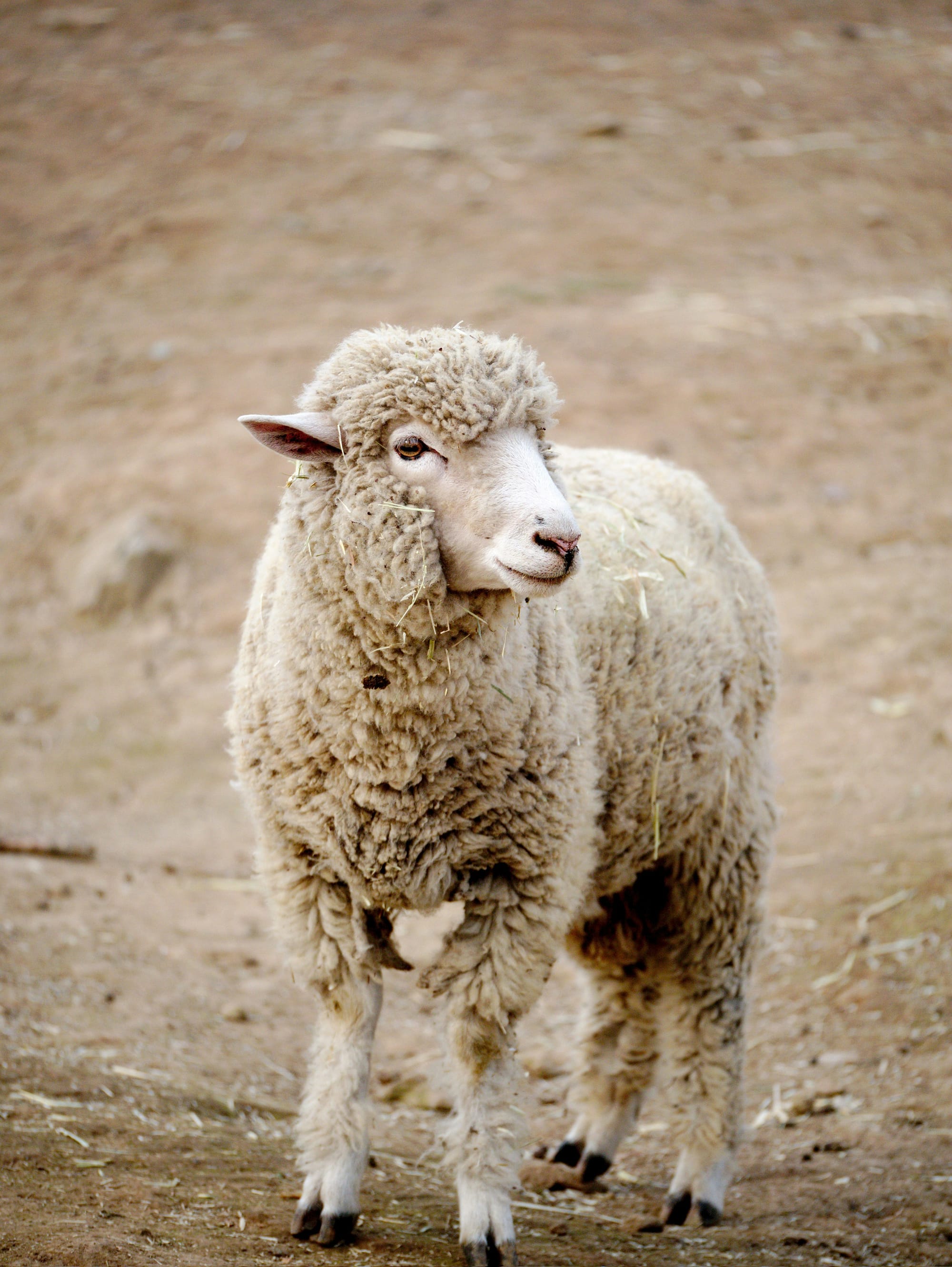
- Animal Fibers: These primarily come from animal hair, with wool – most commonly from sheep – being traditional for suit jackets (although not ideal for tropical climates). Literally any kind of animal hair can be spun into wool, but the most common examples include alpaca, cashmere, and camel hair.
- Other Natural Fibers: Silk comes from silk caterpillar cocoons and is known for its strength, though it's not hair-based. For Muslim men, there are religious considerations regarding silk.
Synthetic Fibers
Synthetic fibers are made chemically, typically from petroleum derivatives.
- Polyester: Known for durability, resistance to shrinking, and quick-drying properties, polyester is poorly suited for hot climates as it repels moisture and restricts breathability.
- Nylon: Common in activewear, sportswear, and certain blends where increased durability is needed.
- Acrylic: Used as a wool substitute and easily machine washable, but generally unsuitable for hot climates or formal wear.
While synthetics dominate many modern markets, they're generally ill-suited to classic menswear, especially in the tropics, due to poor breathability and their often overly shiny appearance.
Blended Fabrics
Blending different fibers can create materials with desirable hybrid characteristics. High-quality blended fabrics can be exceptional, but novices should approach blends—especially cheaper ones—with caution, as synthetic content may be higher than advertised. Like precious metals, blend purity can be difficult to verify without reputable sourcing.
Must Know Fact #2: Spinning Process
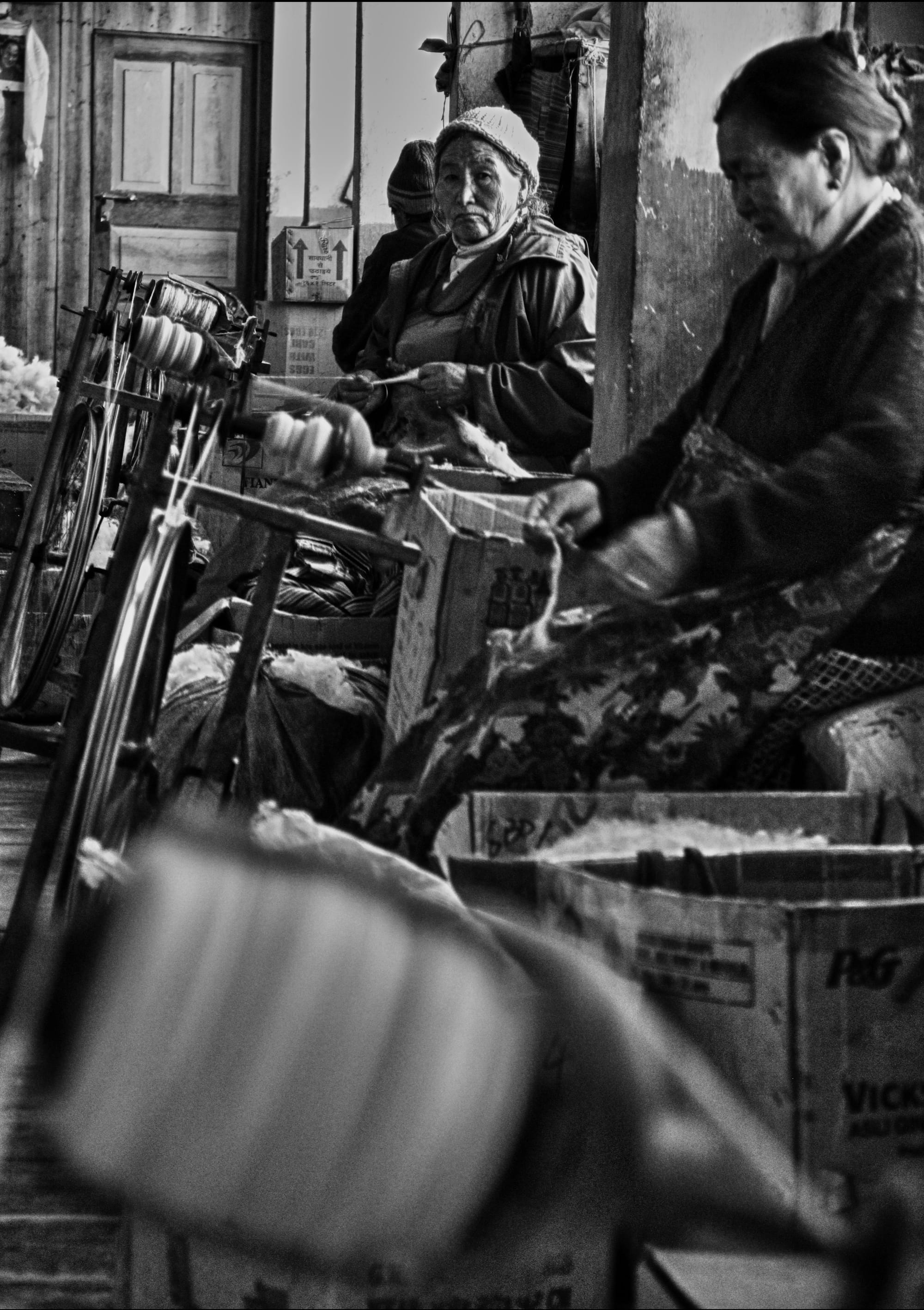
After fiber selection, fibers are spun into yarn. The tightness of yarn twisting affects the strength and texture of the finished fabric. Tighter twists create stronger, smoother yarns, while looser twists may offer softness but sacrifice durability.
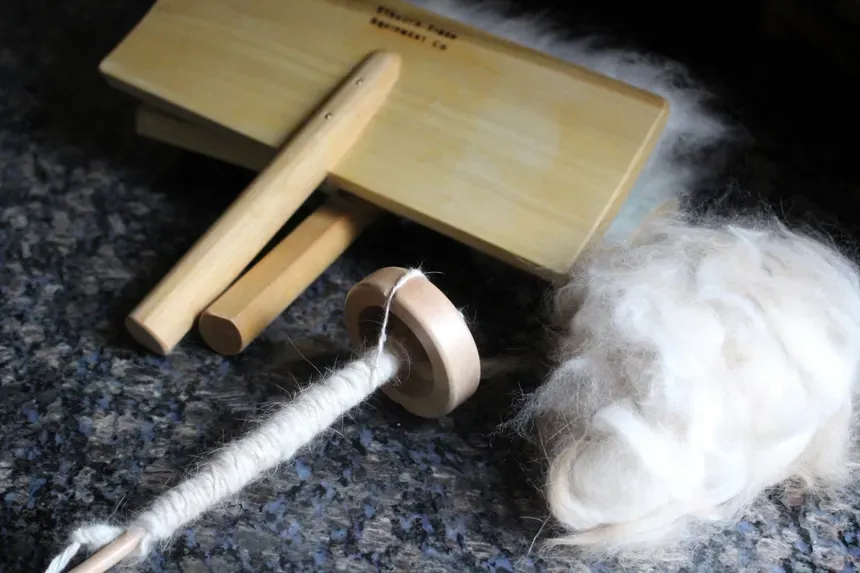
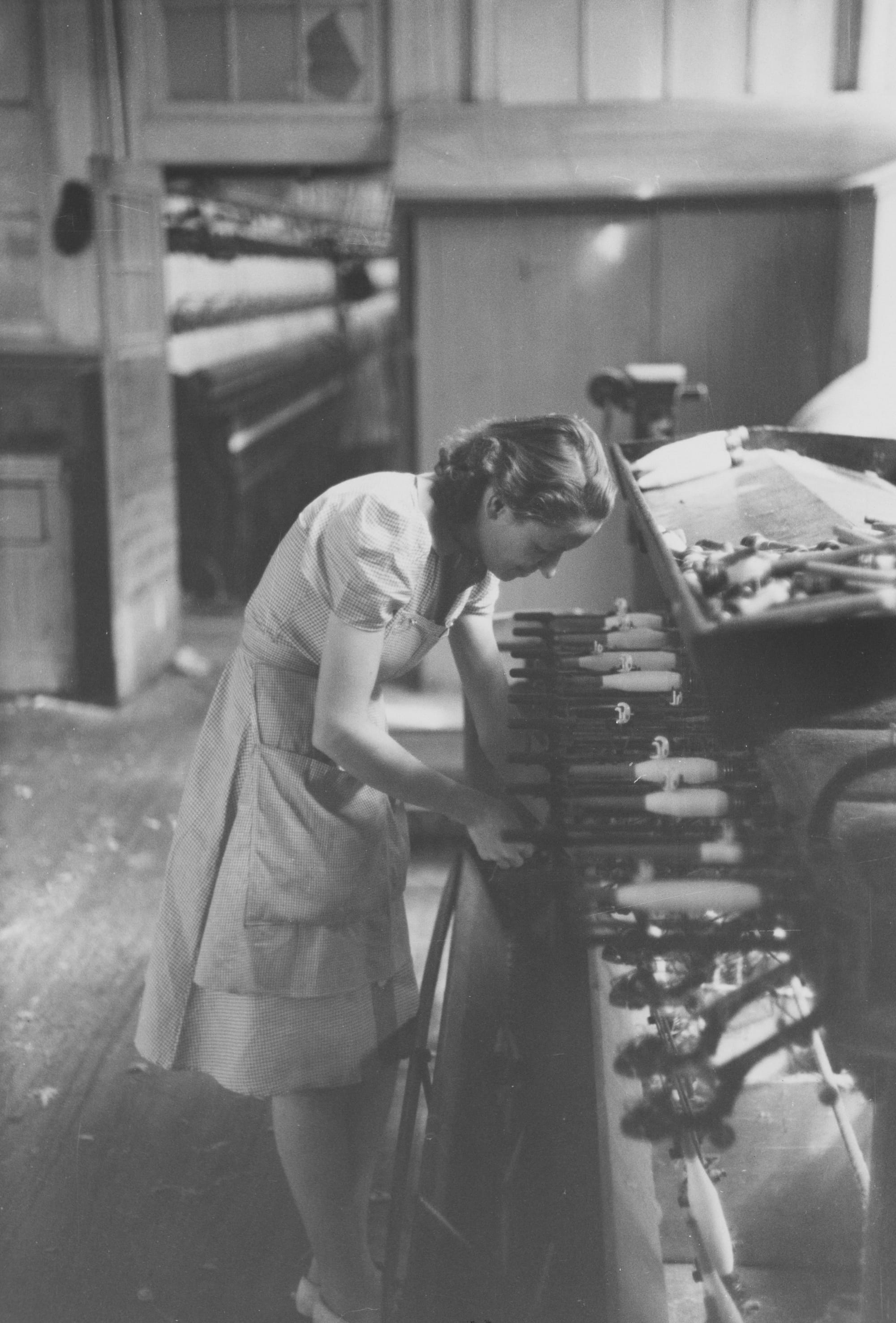
Yarn Dyeing: Dyeing yarns before weaving or knitting is superior to post-production dyeing, resulting in richer, longer-lasting colors. Yarn-dyed fabrics resist shrinking and fading while allowing for intricate, multi-colored patterns and textures.
Must Know Fact #3: Weaving and Knitting
You can't just wrap yarn around your body and wear it (although it might pass for "high-fashion" on a runway in Paris). Yarn becomes fabric primarily through weaving into fabric or knitting directly into garments. The structure of the weave or knit directly affects the fabric's appearance, drape, and performance.
Weaving
Weaving interlaces vertical (warp) and horizontal (weft) yarns to produce robust fabric suitable for shirts, trousers, and jackets. The weaving method and yarn types create various patterns and textures.
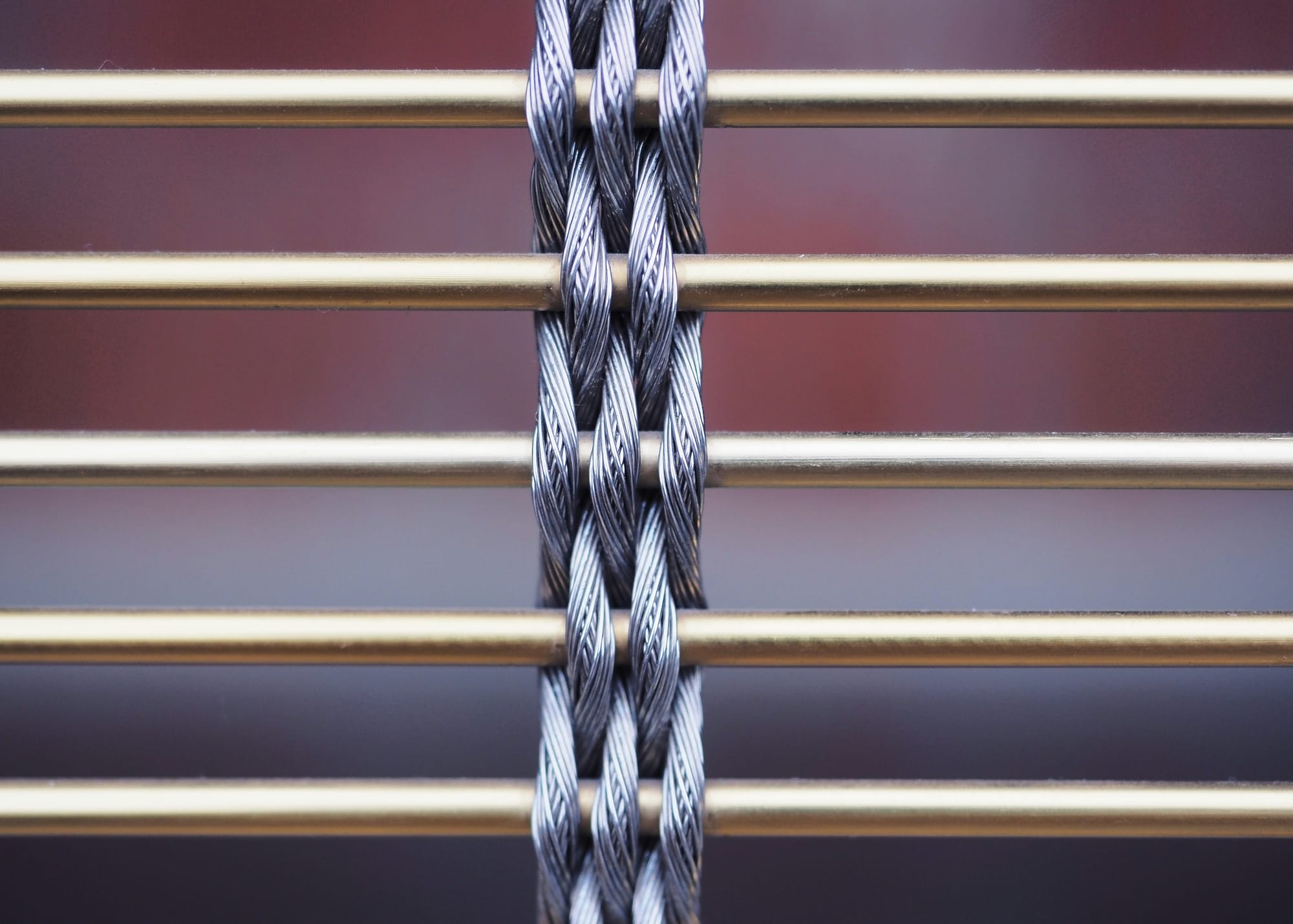
Industrial looms produce most modern fabrics, though hand-woven textiles like Indonesia's tenun remain prized for their artistry and cultural significance.
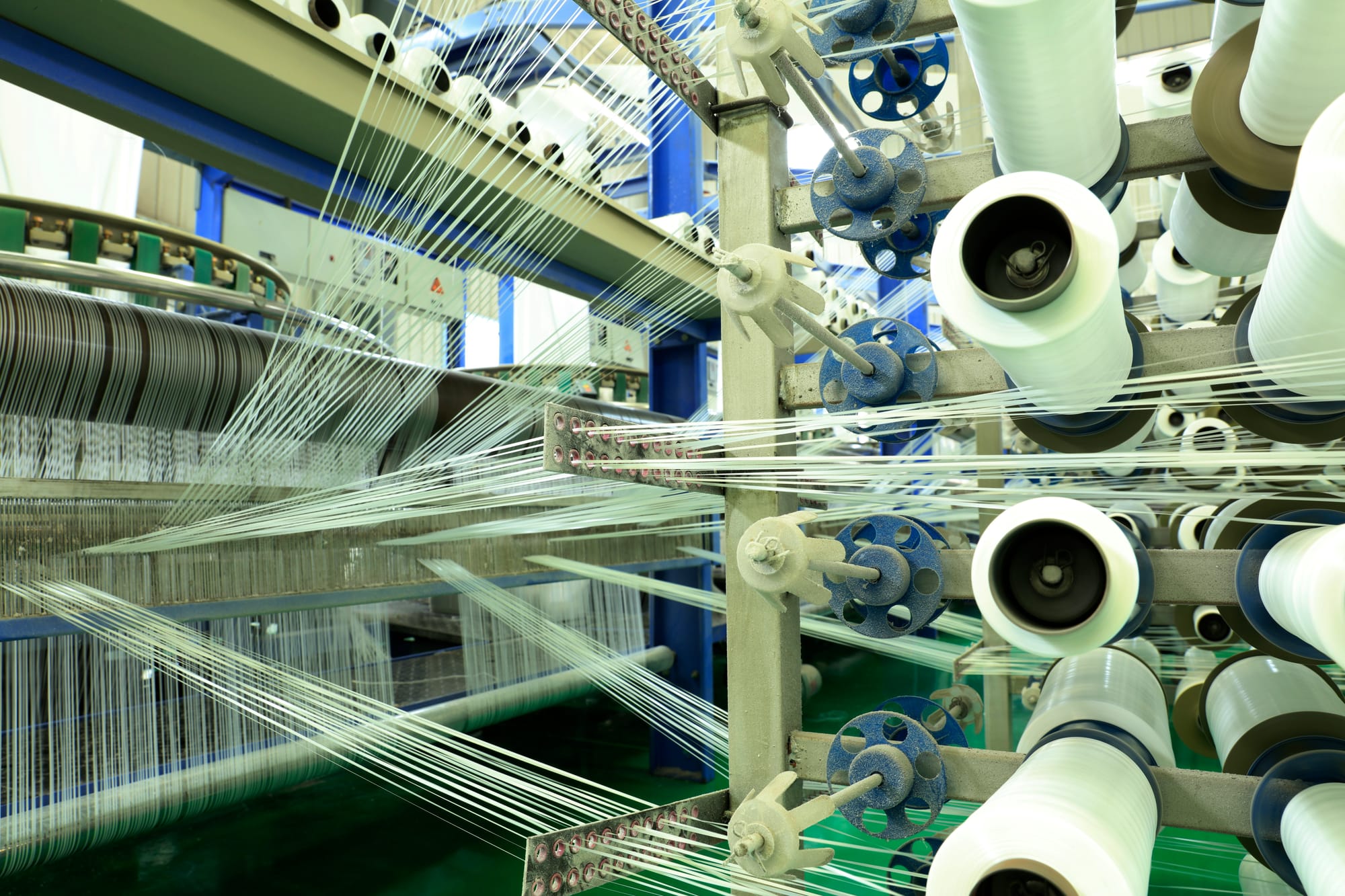
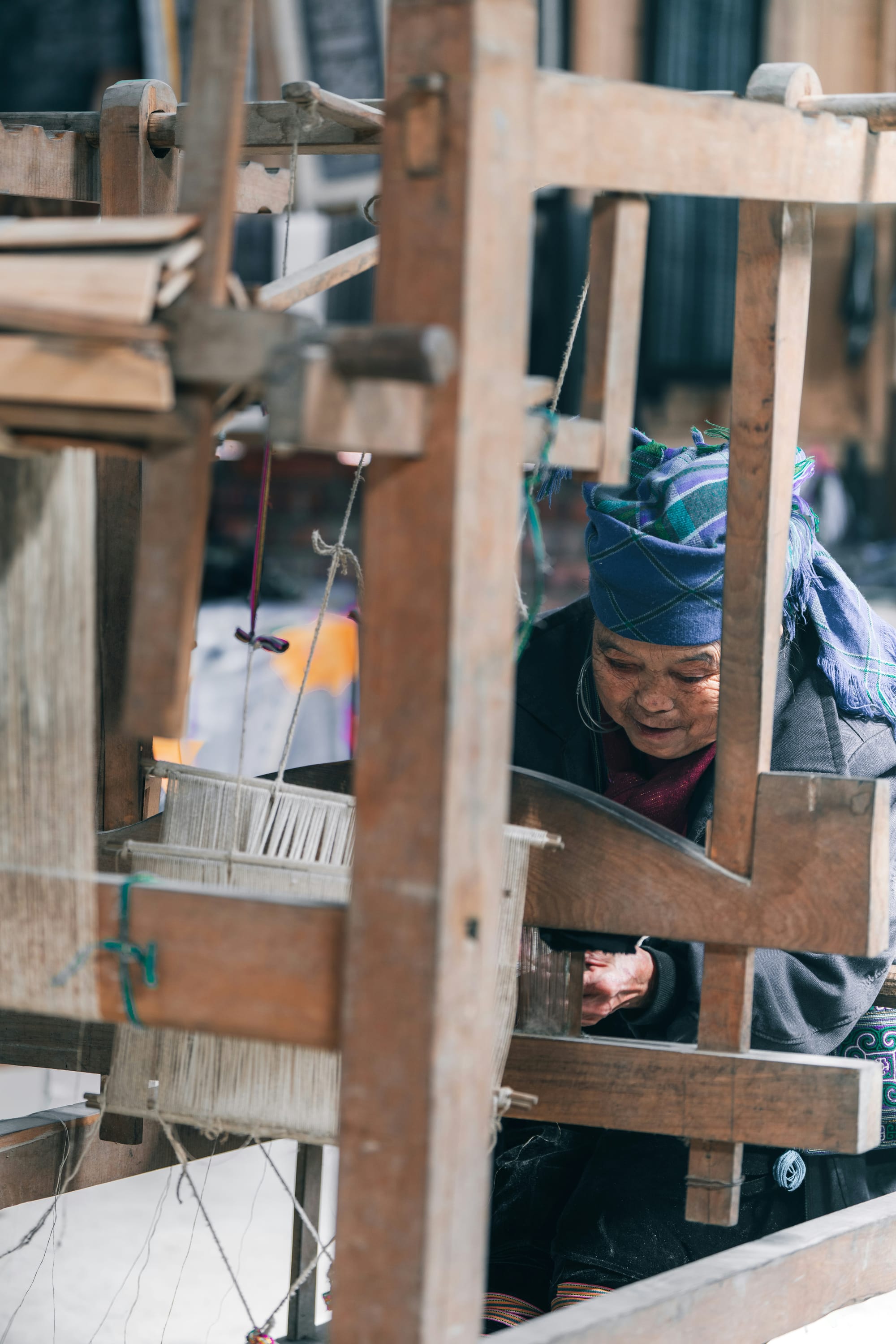
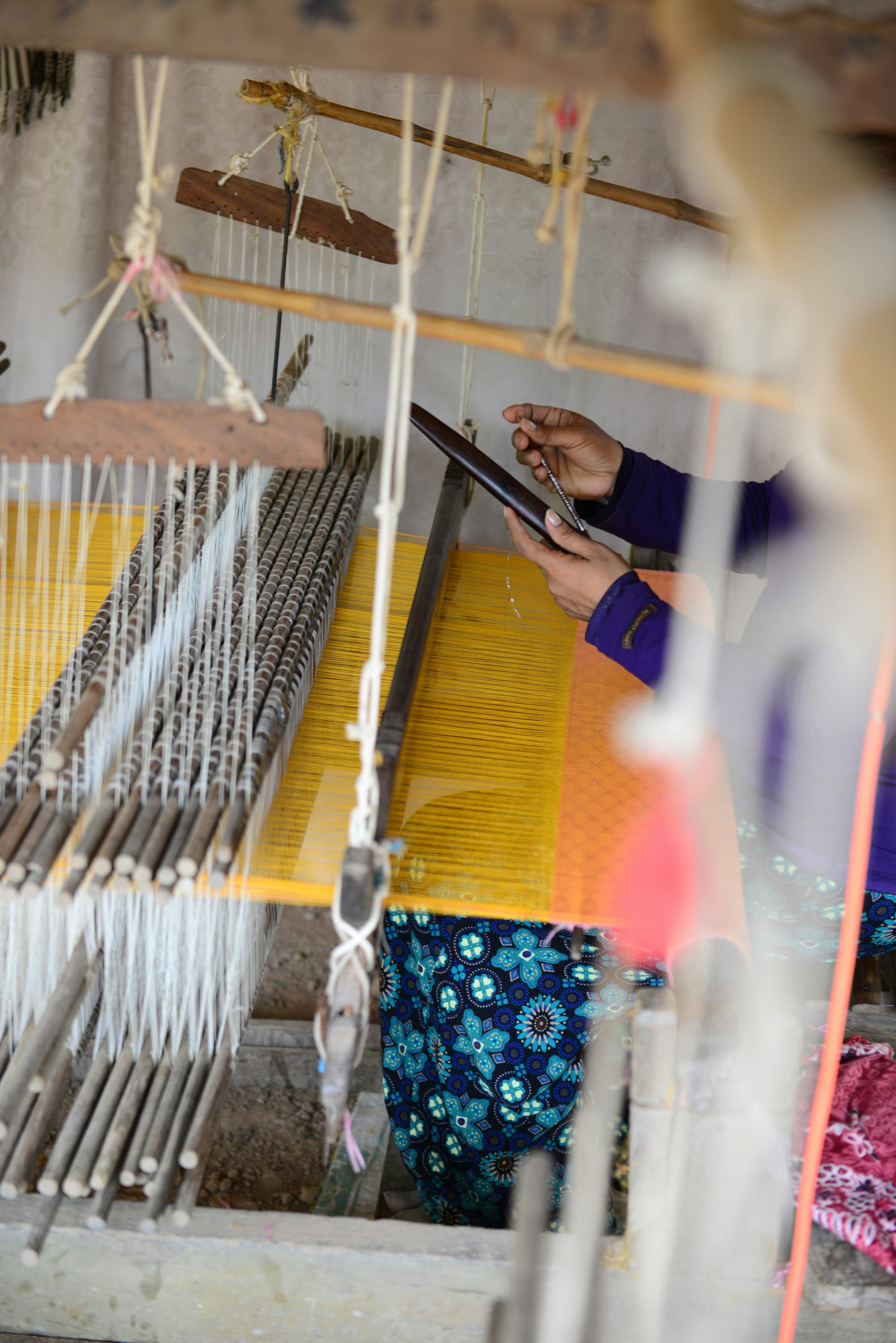
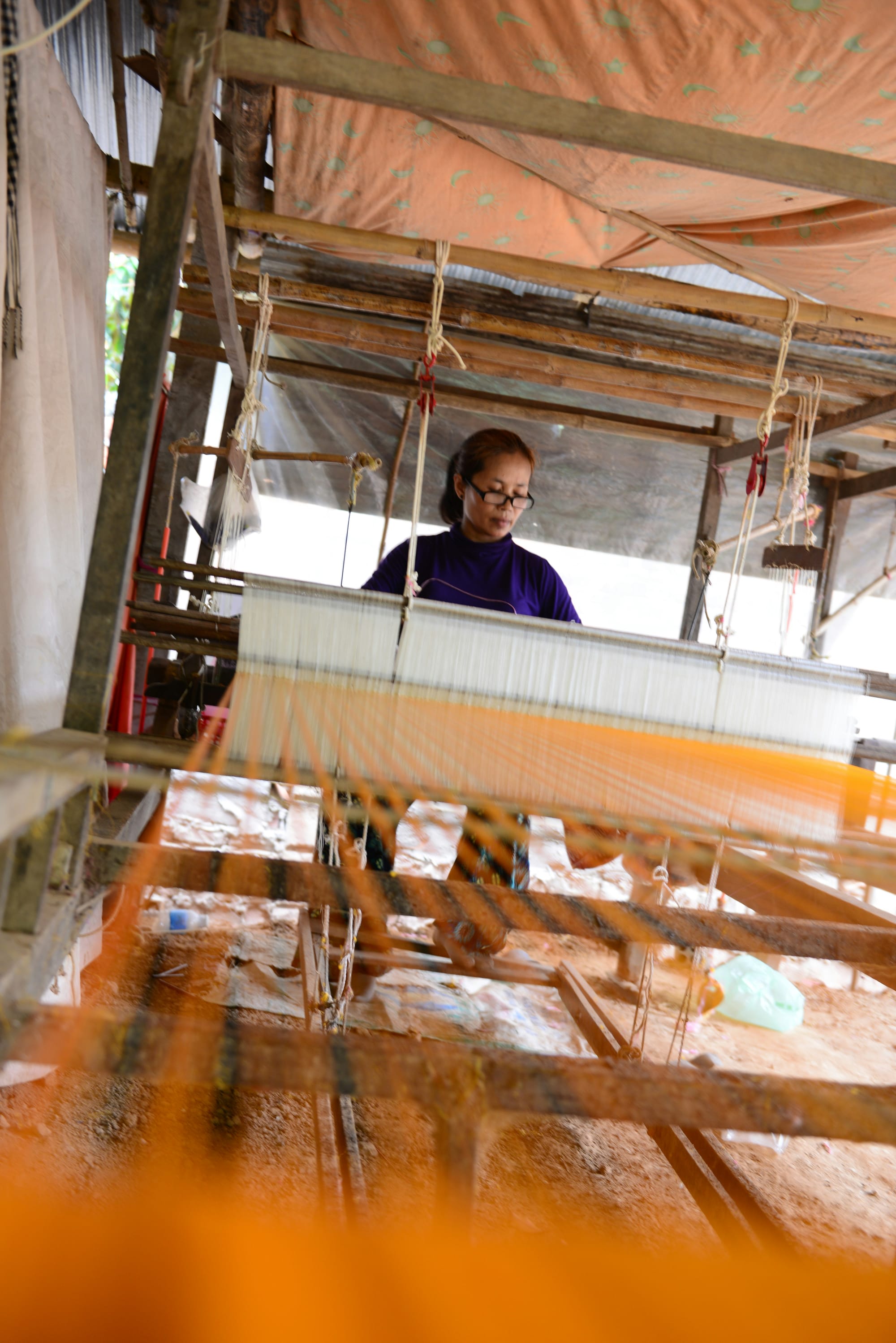
A series of looms weaving fabric from industrialized to traditional small scale.
Knitting
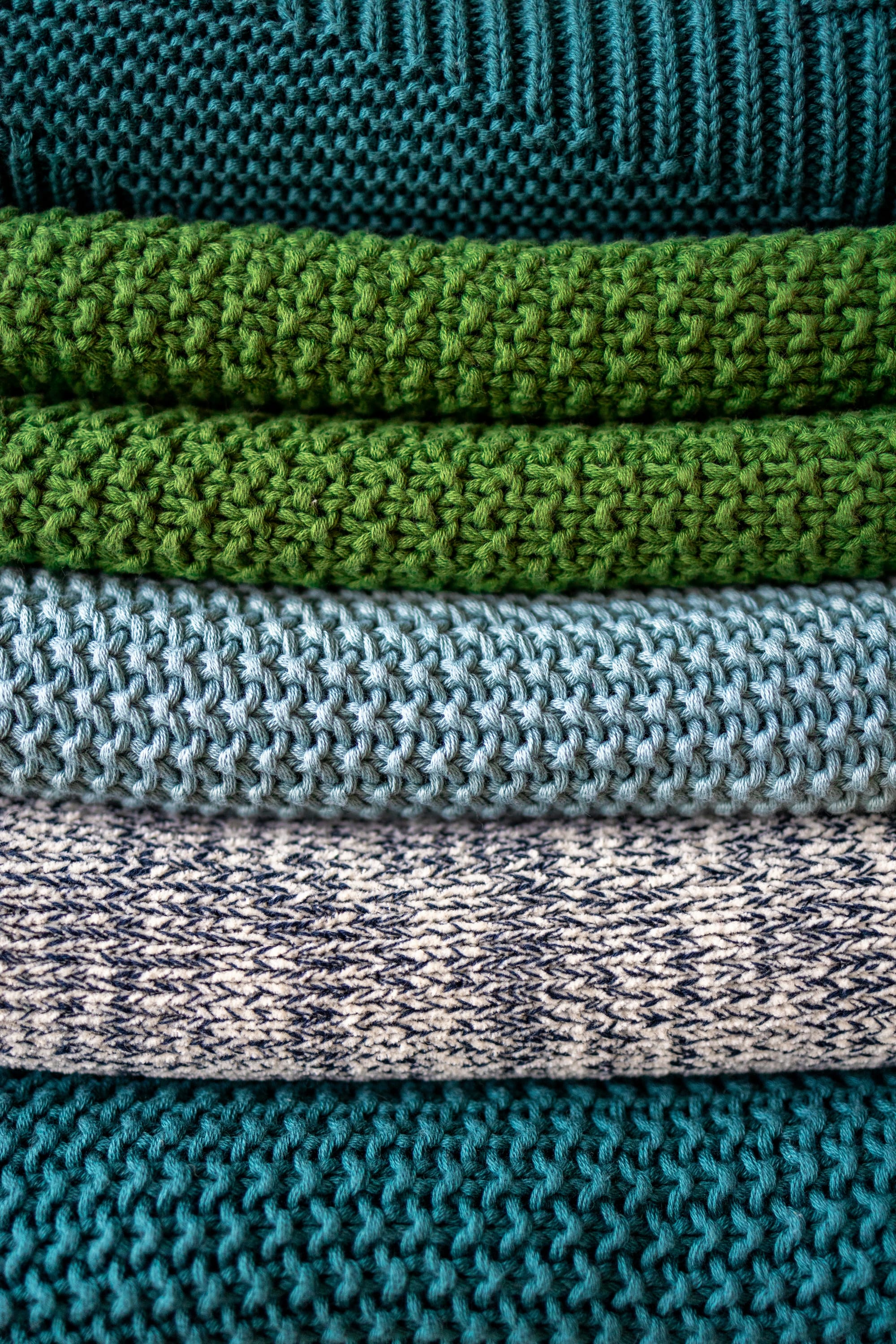
Knitting loops yarns – essentially creating a series of knots – in various patterns. This process creates fabrics that are naturally spring and elastic. It's used most commonly for for socks and sweaters, but also in some neckties and some casual garments.
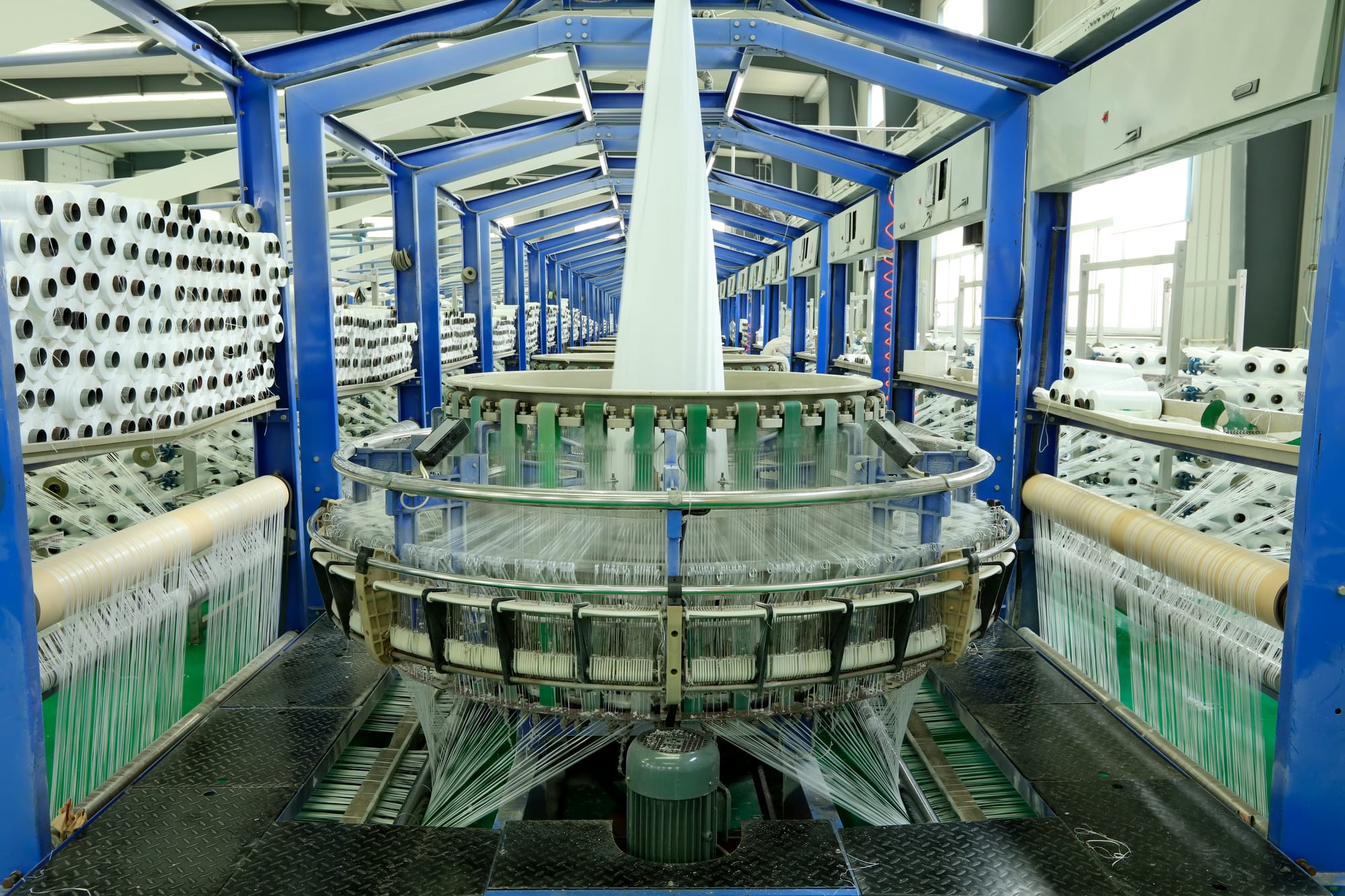
Knitting can be done by machine or hand, using various fibers for desired properties. An modern knitting machine is a massive piece of industrial equipment that can produce thousands of knitted garments in a fraction of the time it would take to knit by hand.
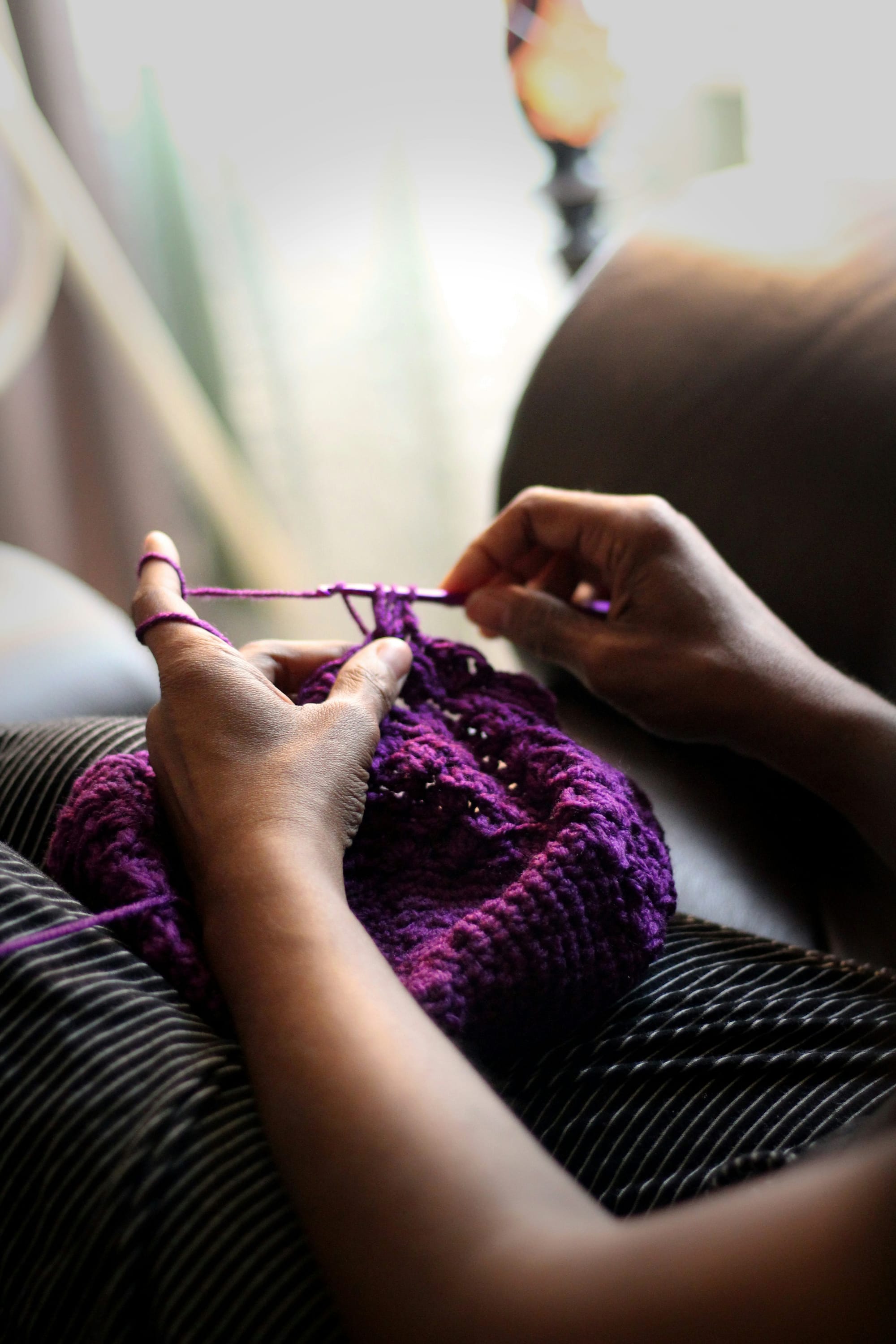
Crochet is a related hand-technique commonly used for accessories and cold-weather garments. There is no machine capable of crocheting, hence all crocheted garments are made by hand. If someone gifts you something that is crocheted, treasure it – it was a work of love!
4. Dyeing, Printing, Finishing, and Treatments
After weaving or knitting, fabrics undergo several processes to achieve their final look and feel.
Dyeing
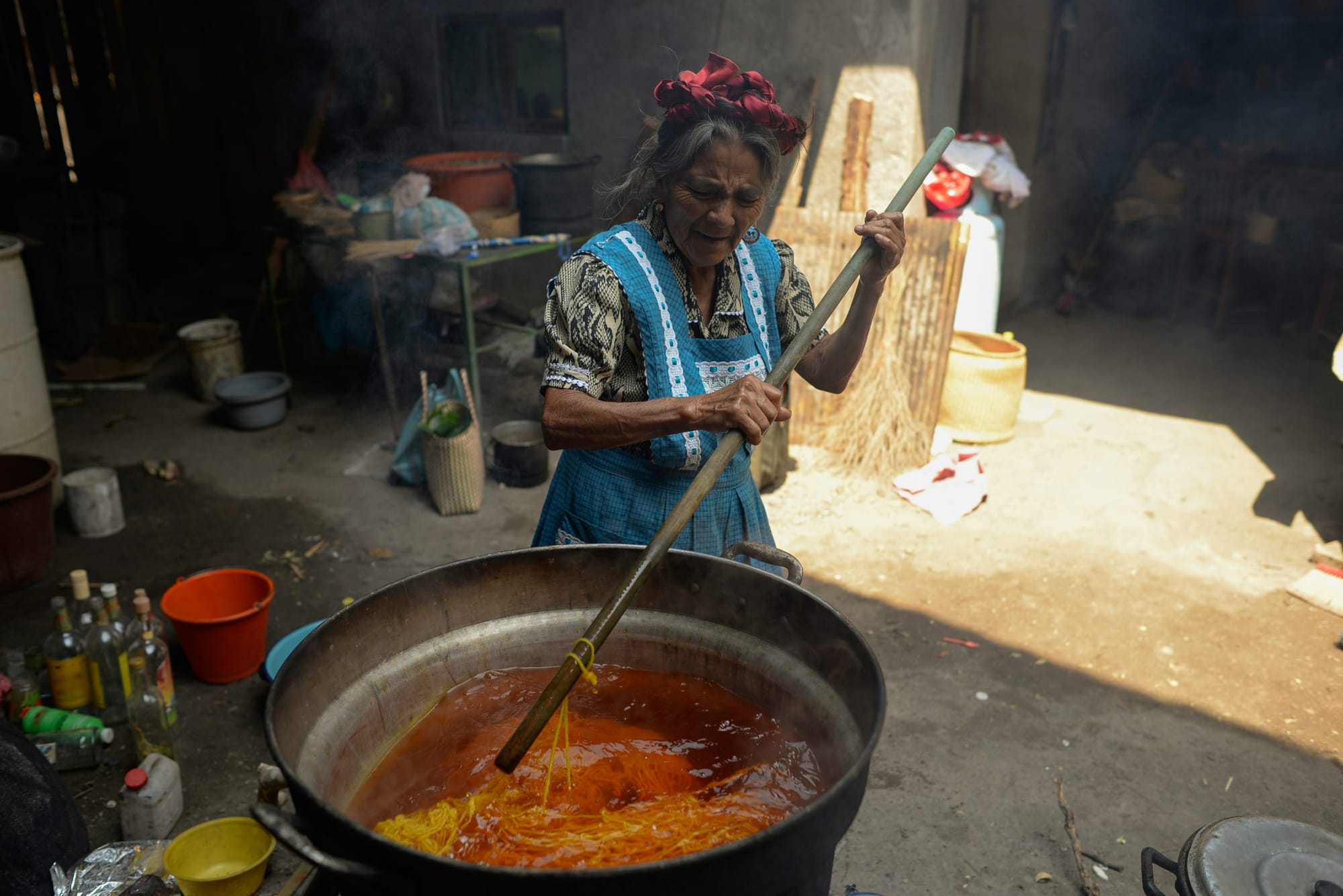
Yarn dyeing creates vibrant, lasting color, while vat dyeing submerges entire fabric bolts in pigment, typically producing single-color textiles but often causing greater environmental waste. The environmental impact of dyeing is significant—rivers near textile centers have often suffered from dye pollution.
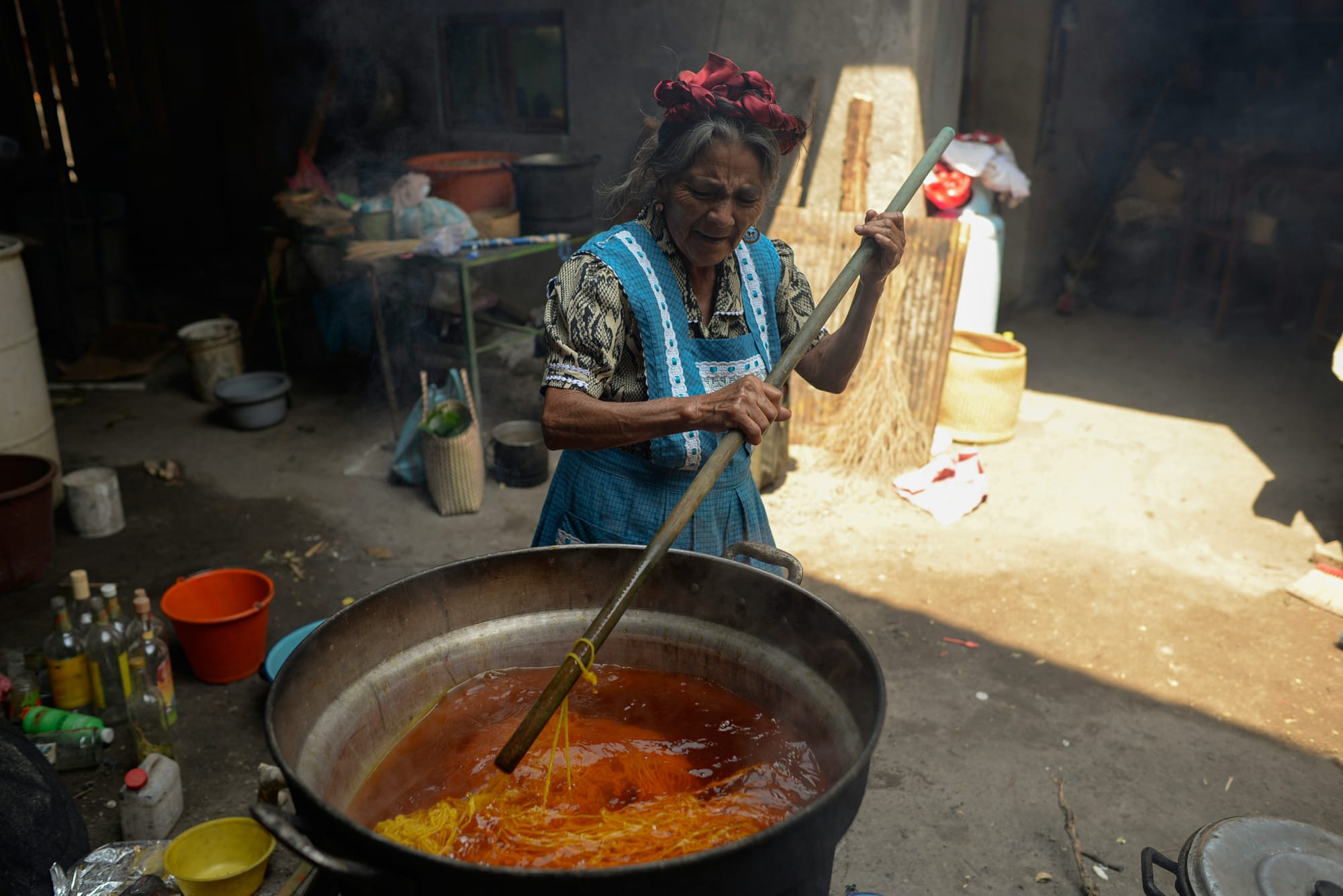
Traditional fabric dyes are made from natural materials.
Printing
Printing applies color and patterns to specific fabric areas using industrial machinery or hand methods like silk-screening. One limitation is that printed patterns often don't penetrate both sides of the fabric.
Batik: Indonesia's Textile Masterpiece
Batik, a celebrated Javanese art form, combines dyeing and printing. Artisans apply wax to fabric to block dye, creating intricate patterns. Batik tulis (hand-drawn) and batik cap (hand-stamped) are genuine, artisanal techniques. Machine-printed imitations lack the authenticity and cultural value of true batik. To identify authentic batik, check the reverse side—genuine batik shows equal coloring on both sides.
Batik garments offer an elegant alternative to suits for formal events in hot climates, combining comfort with cultural sophistication.
Finishing and Treatments
Fabrics may receive various chemical treatments to alter their feel, appearance, or durability. These treatments vary widely and affect the garment's performance and longevity.
5. Quality Control
Every stage of fabric production—from fiber selection to final tailoring—requires strict quality control. Unchecked imperfections compromise both appearance and durability. Superior quality control distinguishes premium fabrics and garments, ensuring a flawless final product worthy of investment.
6. Intentional Selection and Use
Intentionality in selecting and wearing clothing is crucial. Historically, even the Prophet Muhammad (peace be upon him) wore various garments made from both plant and animal fibers. Understanding fabric composition, production processes, and cultural heritage enables choices that are both practical and meaningful.
Conclusion
Understanding fabric composition and manufacturing is essential for men seeking to dress well in tropical climates. By considering fiber selection, spinning, weaving or knitting methods, dyeing and finishing processes, and ensuring quality control, you can invest in garments offering superior comfort, durability, and style.
As with all choices, intentionality matters. Rather than buying clothing blindly, make informed decisions that aim for both aesthetic excellence and alignment with personal values. This approach enhances your appearance while preserving cultural traditions and supporting ethical manufacturing.
By reading labels, supporting artisanal practices like authentic batik, and prioritizing quality over quantity, men can build wardrobes that are both elegant and enduring—serving their well-being in this life and, God willing, in the hereafter.

Comments ()