
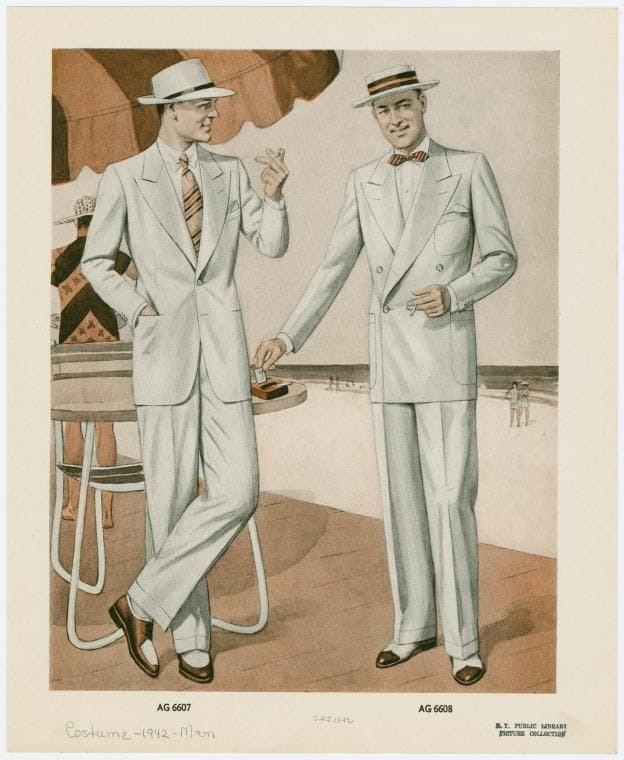
Linen is unmatched in hot, humid climates. From flax to fabric, its moisture-wicking, cooling, durability, and relaxed elegance make linen the ideal choice for tropical menswear and tailored clothing.
In regions with intense heat and humidity, such as Indonesia and much of the tropics, choosing the right clothing fabric is essential. Many who feel uncomfortable in suits in these climates are simply wearing the wrong material. Among all options, linen stands out as the ideal fabric for warm environments. Once common, linen has unfortunately faded from popularity, with many unaware of its unique properties and lasting value.
This article explores what makes linen the perfect choice for hot climates, covering its origins, production process, and why it outperforms other fabrics like wool or polyester.
Understanding Linen: Origins and Production
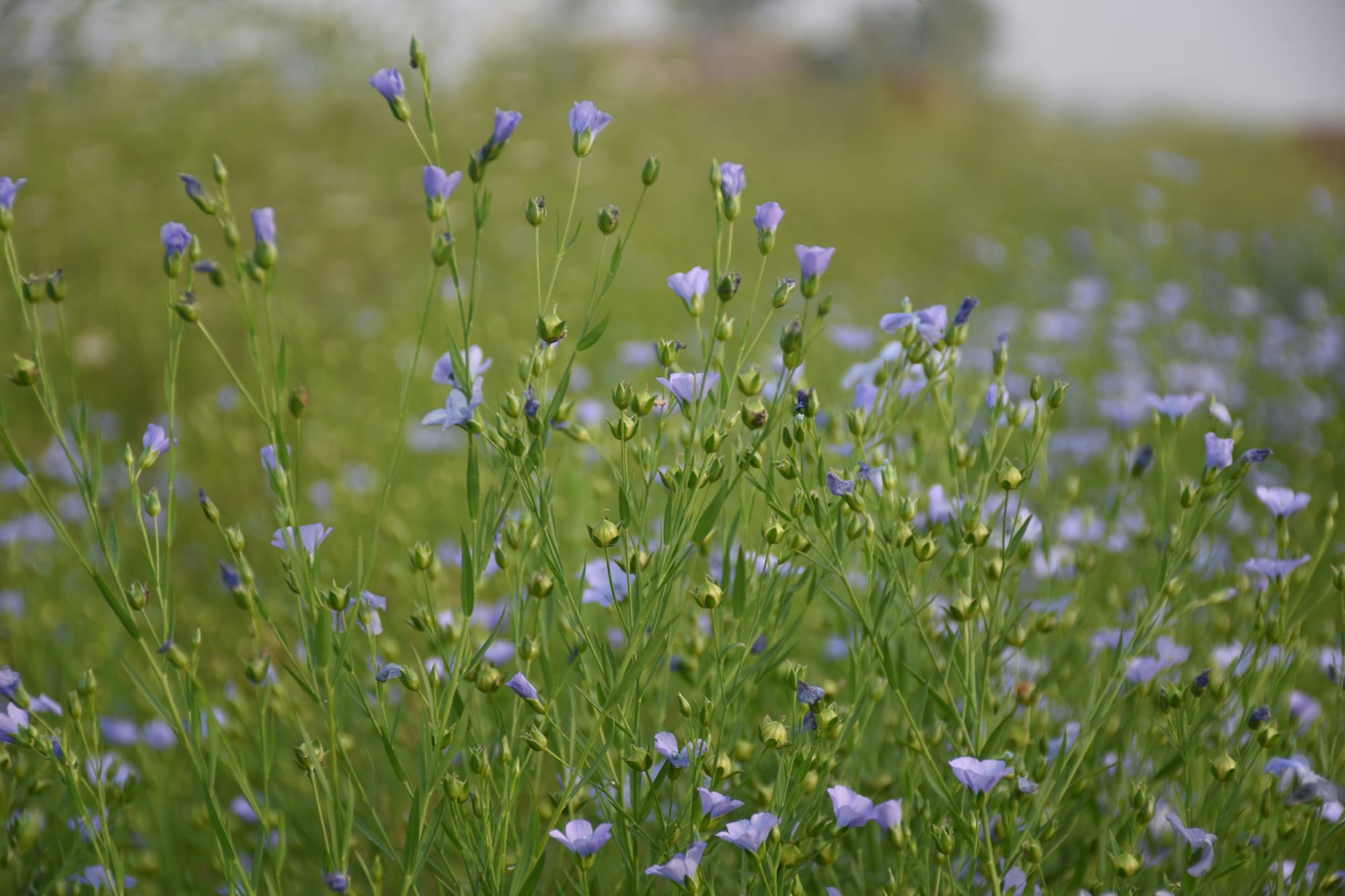
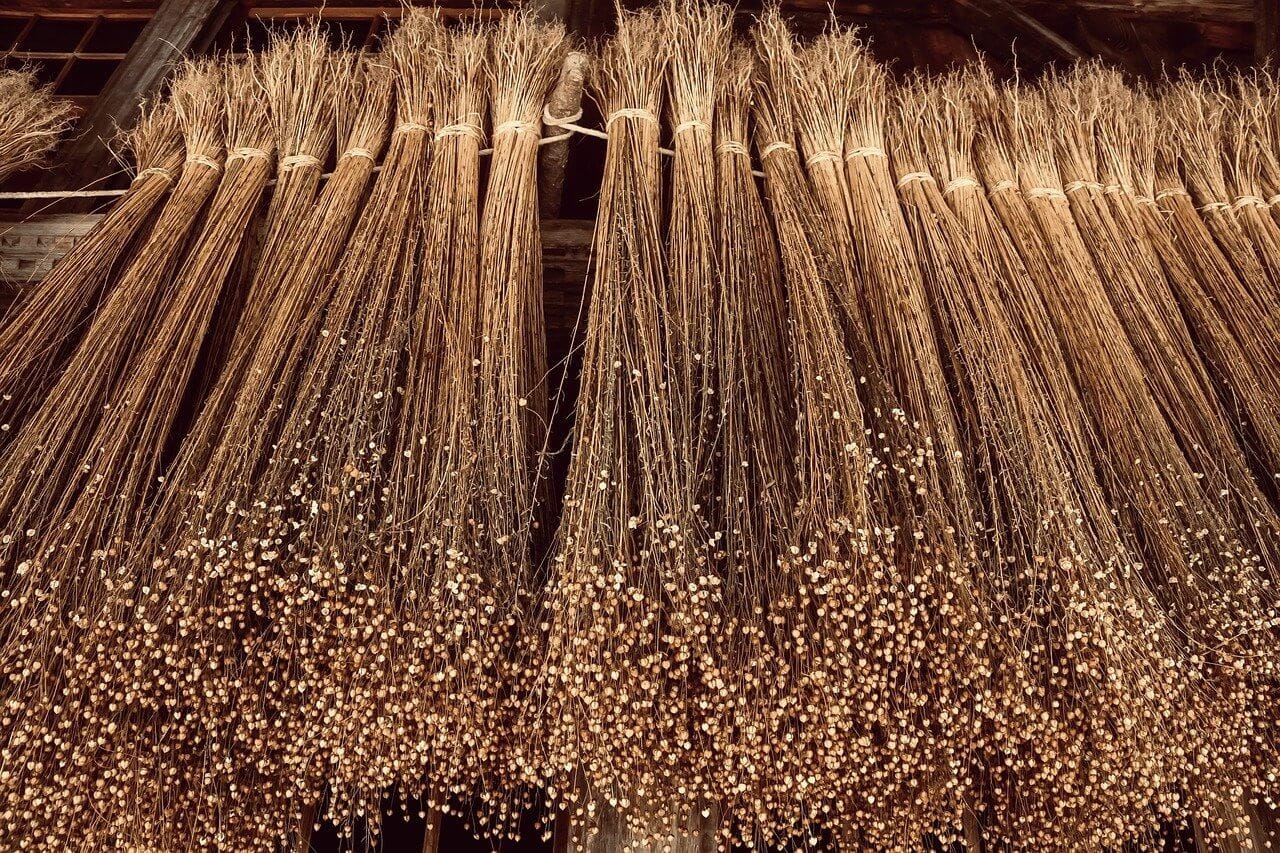
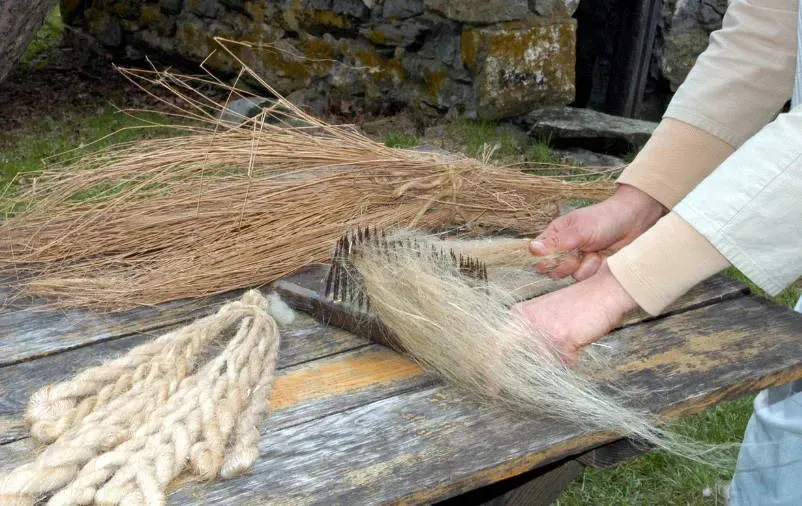
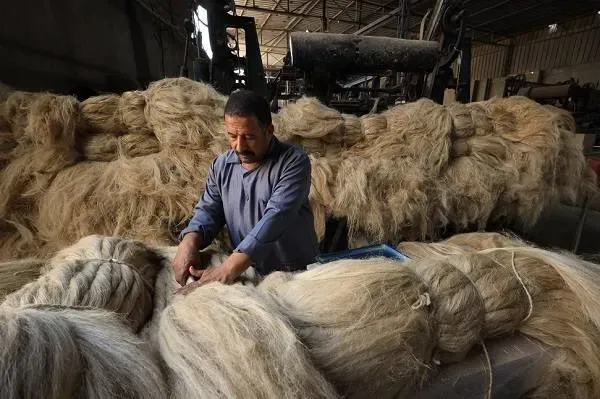
Linen comes from the flax plant, a grass-like crop with long, fibrous stalks. The process of turning flax into fabric is intricate and traditional. First, flax is harvested and undergoes "retting," where stalks are soaked or left to ferment, loosening the fibers from the plant's core. The retted flax is then broken and combed to separate the valuable long fibers. In their raw state, these fibers look remarkably like bundles of blonde hair.
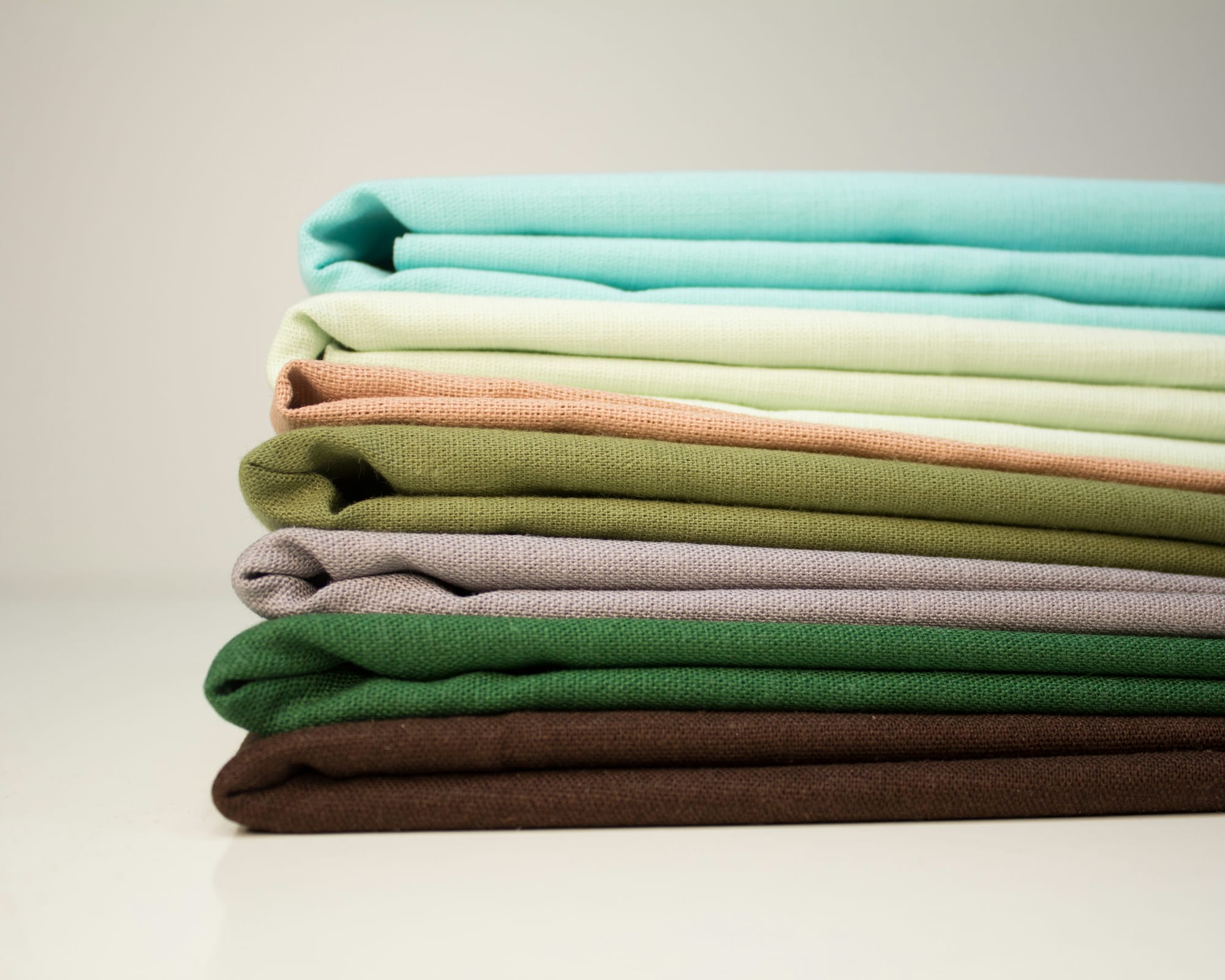
These fibers are then spun into yarn and woven on looms to create linen fabric. This process creates a textile known for its distinctive texture and exceptional durability.
The Properties of Linen: Why Linen Excels in Warm Weather
Linen offers many benefits in tropical climates. Four key characteristics make it superior for hot environments:
1. Water-Wicking and Hydrophilic Nature
Linen's most impressive quality is how efficiently it wicks away moisture. Unlike cotton, which absorbs and holds water like a towel, linen draws sweat away from the body and spreads it throughout the fabric for quick evaporation. This helps the body's natural cooling system, as evaporating sweat is crucial for maintaining a comfortable temperature.
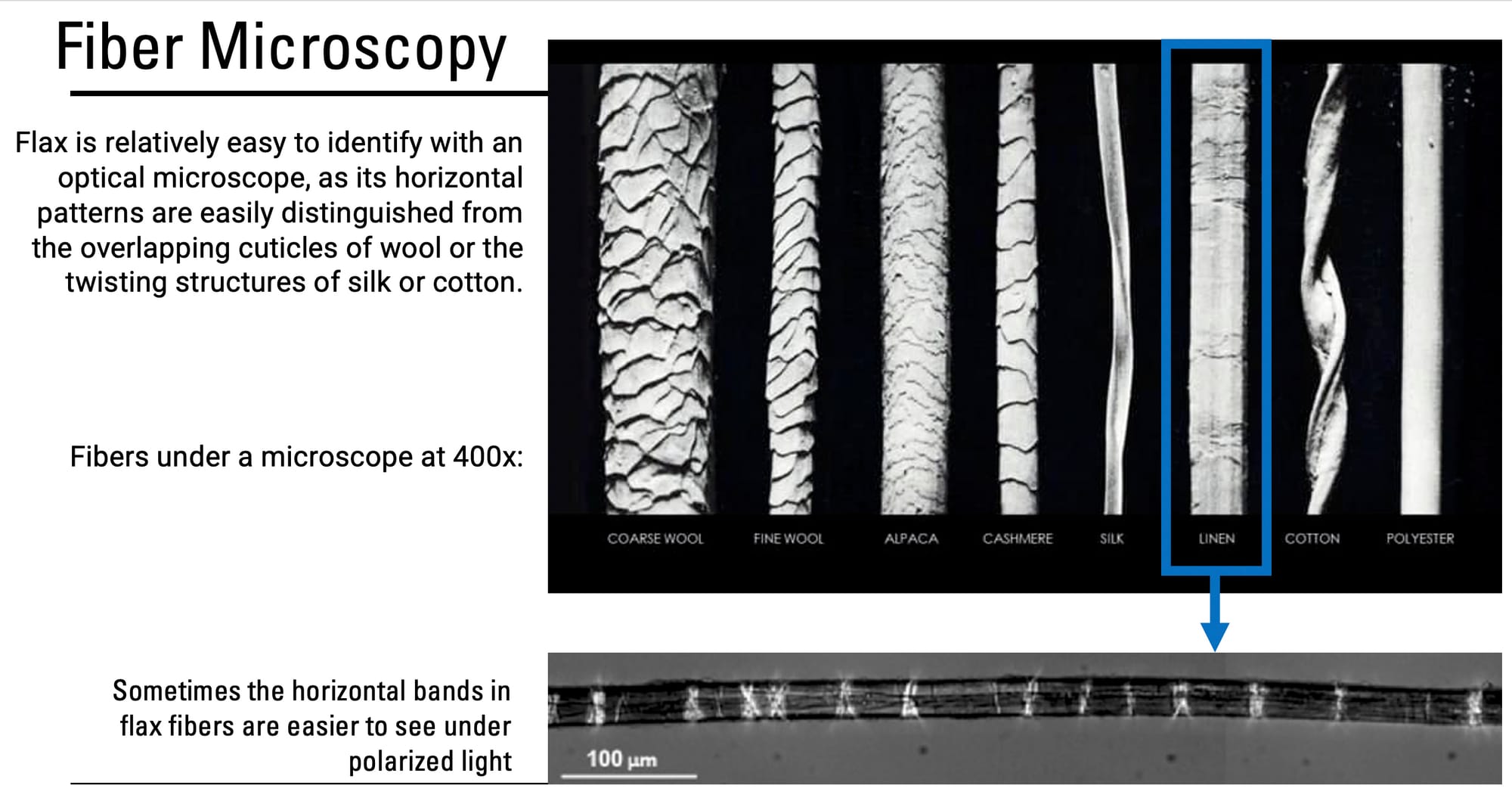
This effectiveness comes from both linen's chemical makeup and physical structure. Linen is primarily cellulose, a naturally hydrophilic polysaccharide. This means linen fibers attract water, allowing them to absorb and release moisture efficiently. The microscopic capillaries within the fibers also help by channeling water away from the skin, further promoting evaporation and comfort.
Synthetic fibers like polyester lack this affinity for water and often trap sweat against the skin, causing discomfort.
2. Superior Thermal Regulation and Breathability
Linen fibers conduct heat excellently, efficiently transferring warmth away from the body. In practical terms, linen works like tiny heat "wires," continuously channeling excess heat outward to maintain a cooler microclimate for the wearer.
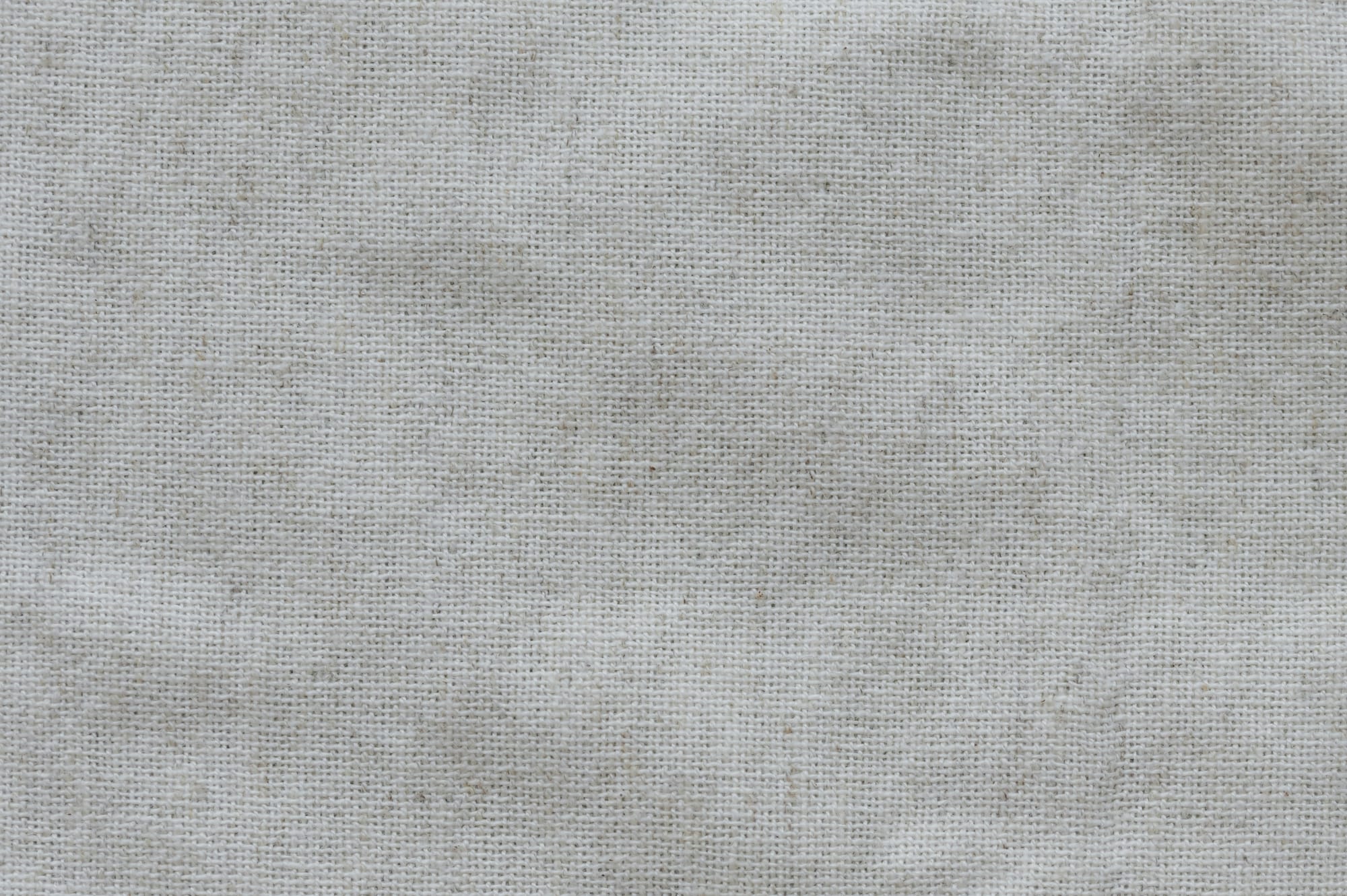
Linen fabrics are also typically woven more loosely than other textiles, enhancing breathability and air circulation. This not only improves comfort but also gives linen garments their distinctive, rugged look. The combination of moisture-wicking and heat regulation makes linen unmatched for hot, humid conditions.
3. Exceptional Durability
Linen is known not just for comfort but also for remarkable strength. While some fibers, like wool, weaken when wet, linen does the opposite: its strength increases by about 10% when wet, and wet linen is roughly 30% stronger than cotton. This resilience is particularly valuable in tropical climates, where clothing frequently encounters sweat and rain.
As a result, linen garments are known for their longevity, often outlasting those made from wool or synthetic fibers. For people living in highly humid or rainy areas, linen's durability offers both practicality and long-term value.

4. Distinctive Style and Aesthetic
Linen's appeal extends beyond its technical qualities; it also excels as a style statement. Four distinct features set linen apart aesthetically:
- Unique Texture: Linen fibers naturally form "slubs," or irregular knots within the weave. Far from being defects, these slubs contribute to linen's organic, rustic charm, making each garment distinct.
- Natural Sheen: Properly woven linen possesses a subtle, elegant luster, adding visual interest and sophistication to the fabric.
- Vivid Dye Absorption: Linen readily absorbs dye, allowing for the creation of garments in a wide array of vibrant, yet nuanced, colours and patterns. The resulting hues often possess a muted quality that enhances the fabric's understated elegance.
- Elegant Drape and Versatility: Linen's natural drape is both casual and refined, lending itself beautifully to structured tailoring such as suit jackets, as well as to accessories like neckties and pocket squares. Unlike cotton, which can sag and lose shape, linen maintains both its form and its airy, relaxed feel, ensuring that bespoke garments remain flattering and versatile.
In today's society, where formal dress codes are increasingly rare, linen offers an ideal compromise: it maintains the sophistication of tailored clothing while reducing formality, making it suitable for various settings—from casual gatherings to formal events. A linen suit looks appropriate in both relaxed and ceremonial environments, providing comfort without sacrificing elegance.
Personal Reflection: The Importance of Linen in the Modern Wardrobe
Many people discover linen's virtues later in life, often after years of wearing less suitable fabrics in warm climates. Once experienced, linen proves transformative. It's excellent not only for suits but also for shirts, including traditional garments like the koko sarung. For men living in tropical climates, a wardrobe isn't complete without several linen shirts.
Pure linen remains far superior to the many "linen blends" that contemporary fabric retailers offer—such as "cotton-linen" or "poly-linen"—which try to mimic linen's distinctive look but fail to match its unique properties.
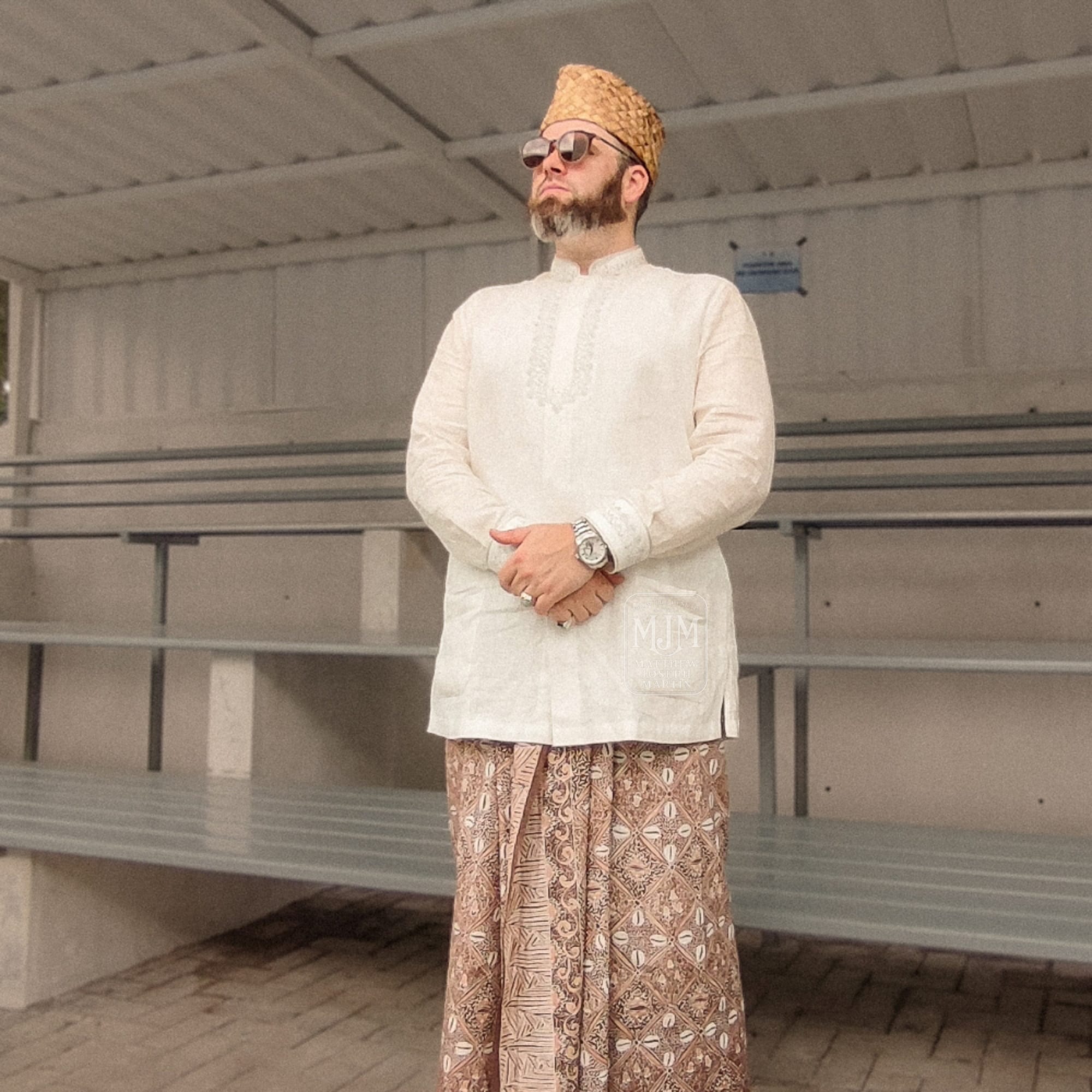
Embracing the Blessing of Linen
In an era dominated by synthetic fibers, many endure discomfort by wearing polyester and similar materials—essentially wrapping themselves in plastic.
The Quran, in Surah Al-Baqarah verse 29, reminds us:
"It is He who created for you all of that which is on the earth."
The flax plant and the linen derived from it are among these blessings, offering both practical and aesthetic benefits to humanity.
Adding linen to your wardrobe is not just about comfor t and style, but also an acknowledgment of this natural gift.
Conclusion
Linen remains unrivaled as the fabric of choice for hot and tropical climates, distinguished by its moisture-wicking ability, temperature regulation, durability, and unique style. For those seeking comfort, longevity, and understated elegance, linen is an essential addition to the modern wardrobe.
As society moves away from rigid dress codes, linen provides a way to dress with both distinction and practicality. Its unique characteristics ensure you stay cool and composed, regardless of the climate.
By embracing linen, you not only enhance your personal comfort and style but also honor the enduring value of natural materials. It's a fabric that truly transforms the experience of dressing well in hot weather.


Comments ()