
Look Great, Do Good: 5 Ways Wearing Tailored Menswear Makes the World a Better Place
Bespoke menswear is more than personal style—it’s an ethical choice. From resisting fast fashion to supporting human rights, reducing waste, strengthening local economies, and preserving culture, bespoke clothing helps build a better world.
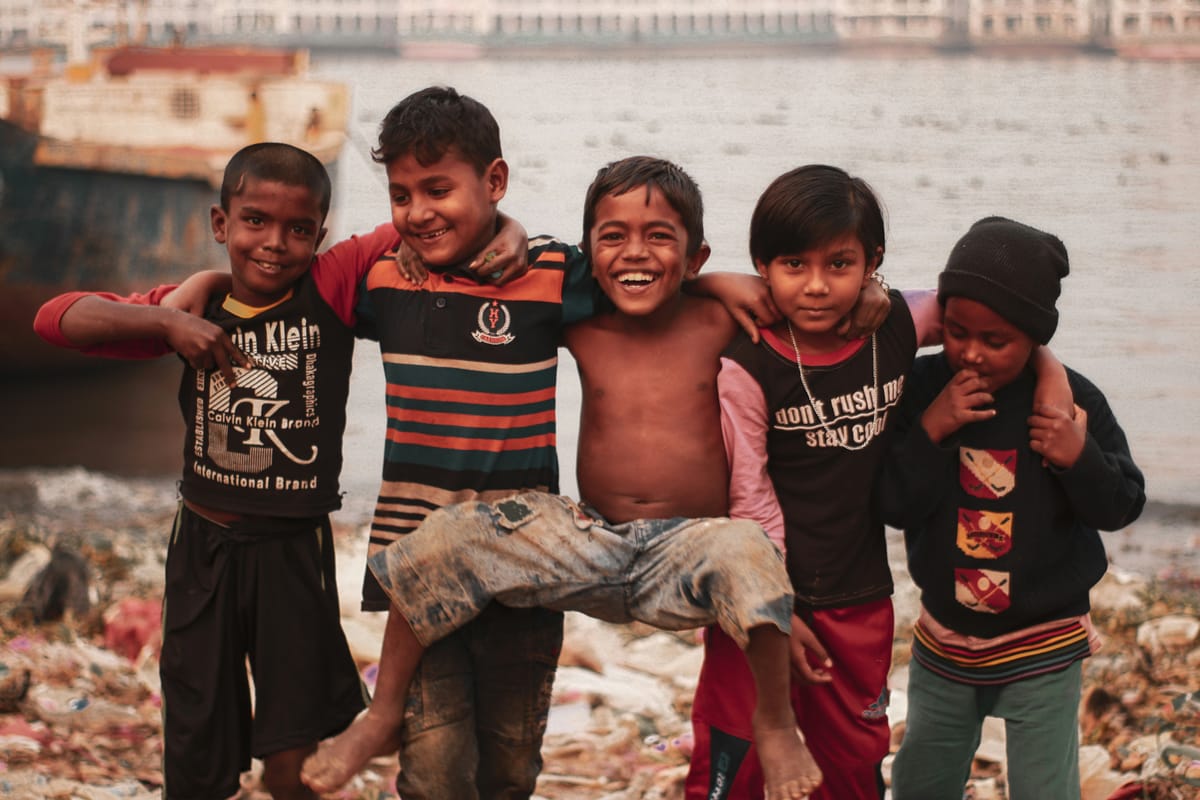
Choosing tailored menswear goes far beyond personal style and self-expression. Its impact extends to society, the environment, and cultural preservation. This article explores five key reasons why tailored menswear is not just a sartorial choice, but an ethical one that contributes to a better world.
Reason #1: Opposing the Disastrous Fast-Fashion Industry
Today's clothing industry is dominated by "fast fashion"—a model characterized by rapid production cycles, low costs, and mass volume. This approach quickly replicates emerging trends by leveraging global supply chains. New styles are spotted, manufactured overseas, and rushed to stores within weeks to capitalize on fleeting consumer interests.
Three main factors drive this model: speed, cost, and volume. Brands relentlessly minimize costs at the expense of quality and ethical labor standards. Workers may be underpaid, subjected to unsafe conditions, or even forced into labor. The system maintains economic efficiency by producing vast quantities of clothing, encouraging consumers to purchase cheap, poor-quality garments that quickly become obsolete.
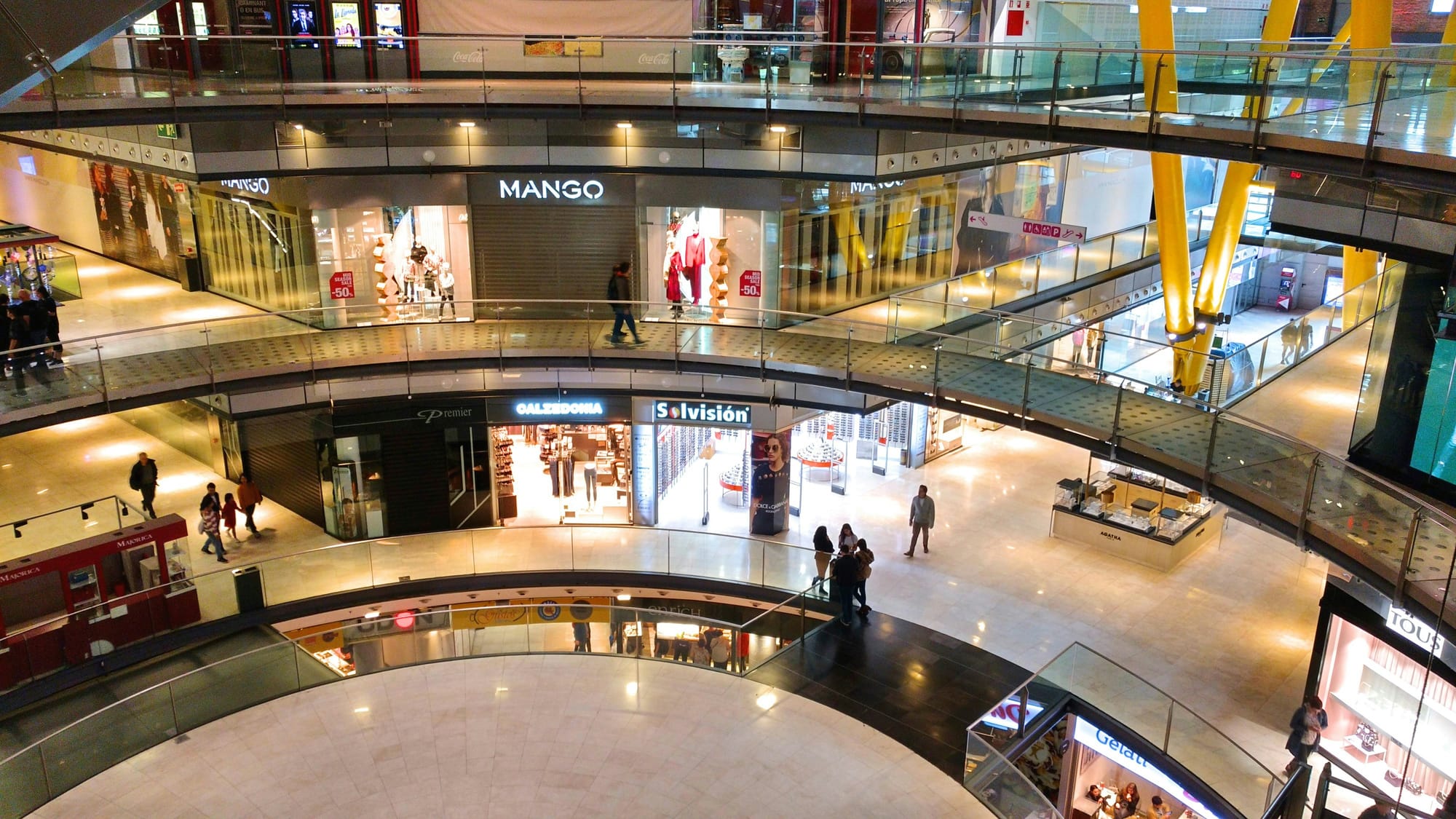
The consequences harm both people and the planet. Tailored clothing, however, rejects this disposable mentality. Each garment is crafted with care using quality materials and timeless styles that transcend trends. This approach promotes mindful consumption, reduces waste, and respects the artisans and materials involved.
Reason #2: Supporting Human Rights Through Intentional Spending on Ethical Products
Fashion is a global enterprise where consumer choices matter. While we may not have a voice in every nation's politics, we can "vote" with our spending. Choosing fast fashion tacitly endorses systems that may involve forced or slave labor.
Substantial research from organizations like the Australian Strategic Policy Institute, Global Labor Justice-International Labor Rights Forum, the Congressional-Executive Commission on China, and Human Rights Watch has documented forced labor in major global brands' supply chains. The Global Slavery Index estimates that millions work in conditions akin to modern slavery, particularly in certain regions of China. The 2020 ASPI report, "Uyghurs for Sale," revealed the transfer of ethnic minorities to factories supplying well-known brands including Adidas, Gap, Nike, and Uniqlo.
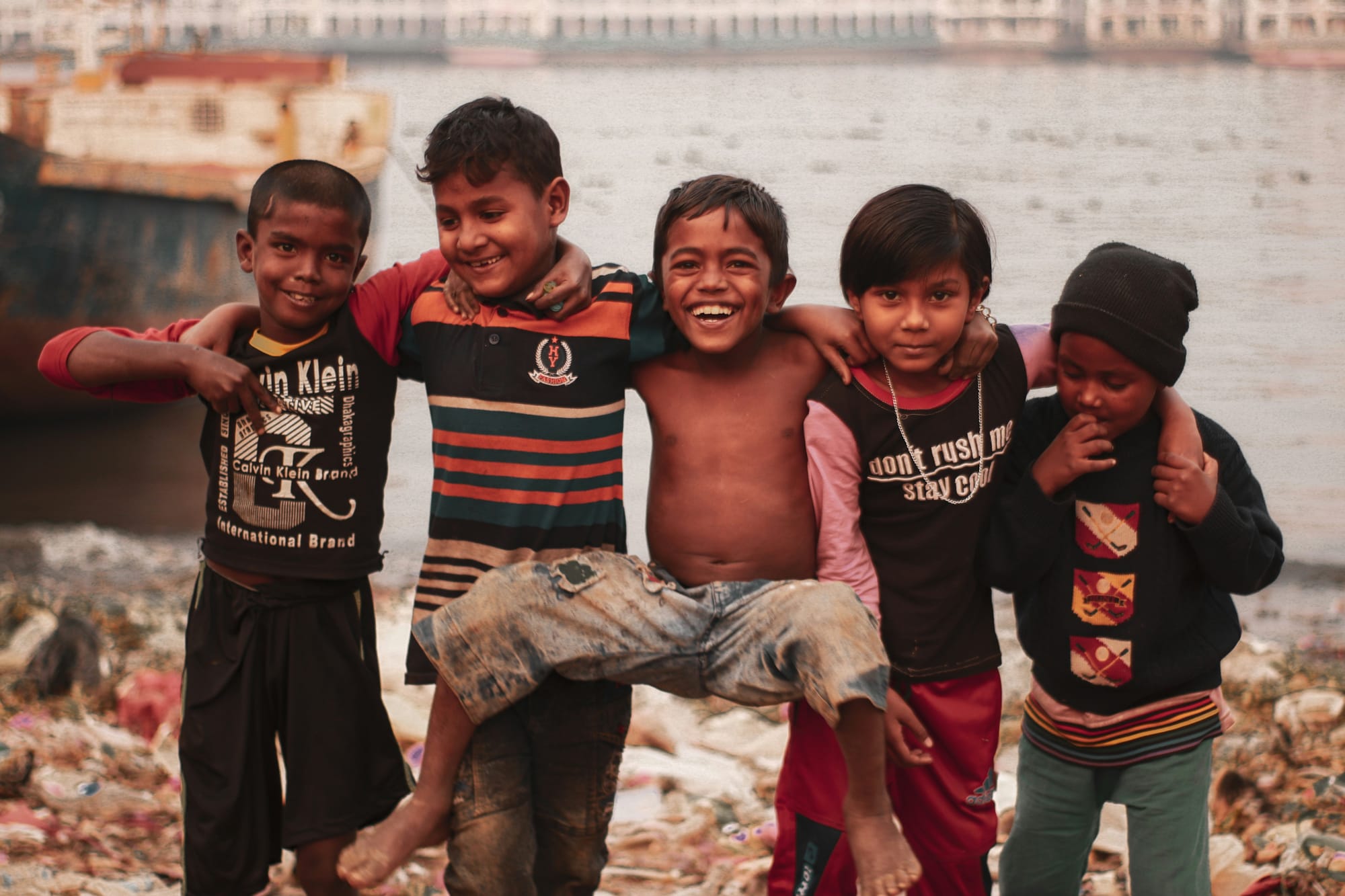
While complex supply chains and varying definitions of modern slavery make exact statistics difficult to determine, the evidence is clear: fast fashion can be complicit in serious human rights violations. By investing in tailored garments—made in transparent, smaller-scale workshops—consumers can help reduce demand for exploitative practices and support ethical labor standards.
Reason #3: Reducing Waste Emissions, & Plastic Pollution
Fast fashion's environmental toll is enormous, creating massive waste, carbon emissions, and plastic pollution.
Waste
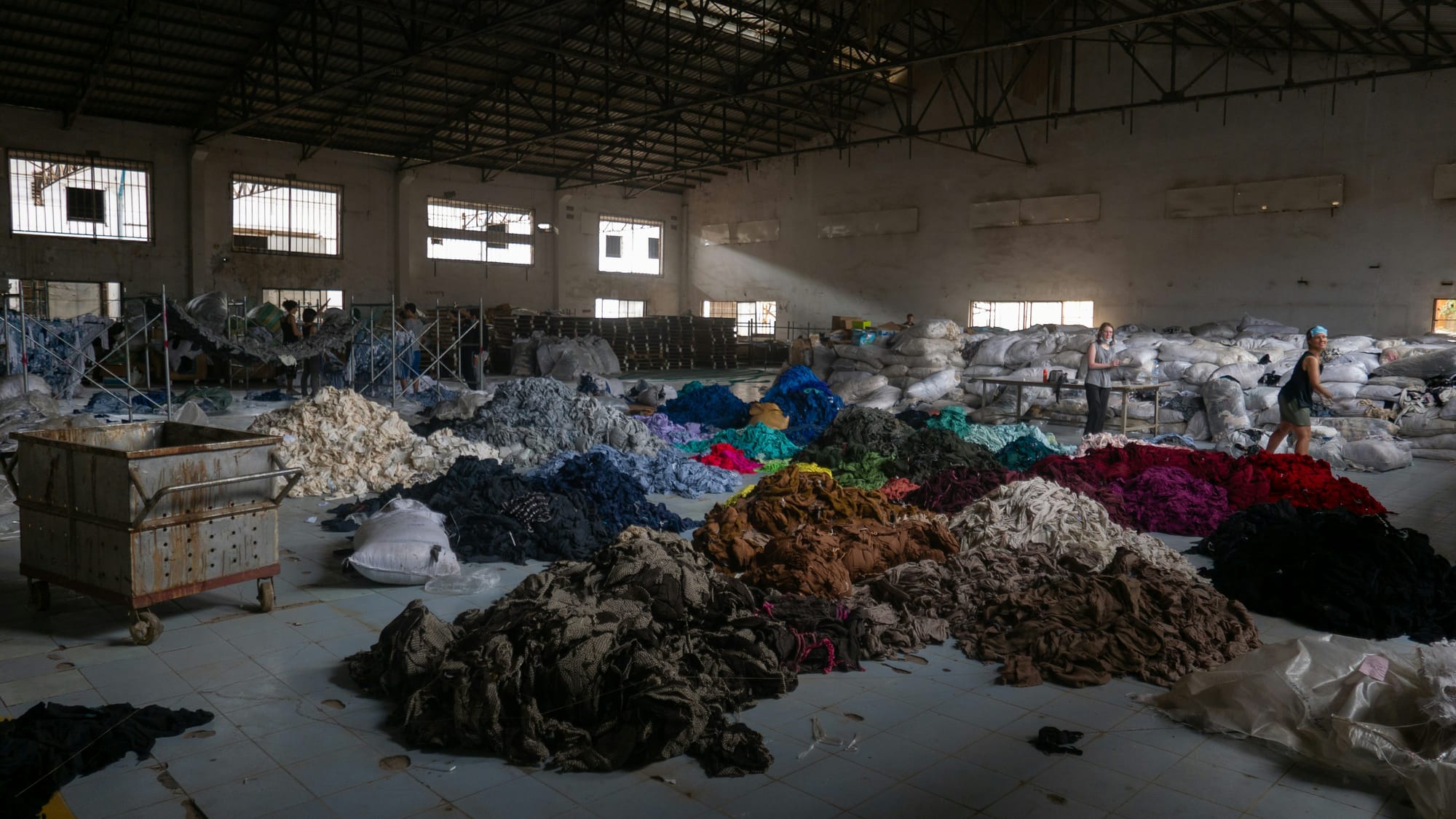
According to the Ellen MacArthur Foundation, garment lifespans have dropped by 36% over the past fifteen years. Consumers discard approximately $460 billion worth of wearable clothing annually. Less than 1% of raw materials from discarded clothing gets recycled, wasting around $100 billion in resources each year. In the UK alone, about 85% of textiles end up in landfills annually.
Carbon Emissions
The fashion industry generates at least 7% of global carbon emissions. Every stage—from raw material production (requiring water and energy), to transportation, to retail operations—adds to this footprint. Discarded clothing in landfills releases methane (a greenhouse gas more potent than CO₂) or, when incinerated, directly releases carbon.
Plastic Pollution
Synthetic fibers dominate fast fashion due to their low cost. These fossil fuel-derived plastics don't biodegrade. Instead, they break down into microplastics that contaminate waterways, oceans, and even human breastmilk—threatening both human health and the environment.
Tailoring as an Alternative
Tailored clothing offers a sustainable alternative. Made from higher-quality, often natural and biodegradable materials like linen, wool, and cotton, tailored garments last for years or decades. Their timeless design and superior fit create an emotional connection, encouraging longer use and better care. This significantly reduces environmental impact and helps address the global crisis of textile waste and pollution.
4. Bolstering the Local Economy
Buying mass-produced clothing from international brands like H&M, Marks & Spencer, or Uniqlo often extracts wealth from local economies and redirects it to foreign corporations. In contrast, investing in tailored garments from local tailors ensures more money circulates within your community.
Economic Multiplier Effect: Money spent at locally owned businesses tends to be reinvested in the community, supporting other enterprises and creating a resilient economic ecosystem.
Job Creation: Local businesses, including tailors, typically employ more staff per unit of sales than international chains. Communities with higher percentages of local businesses often experience greater income growth and stronger job creation.
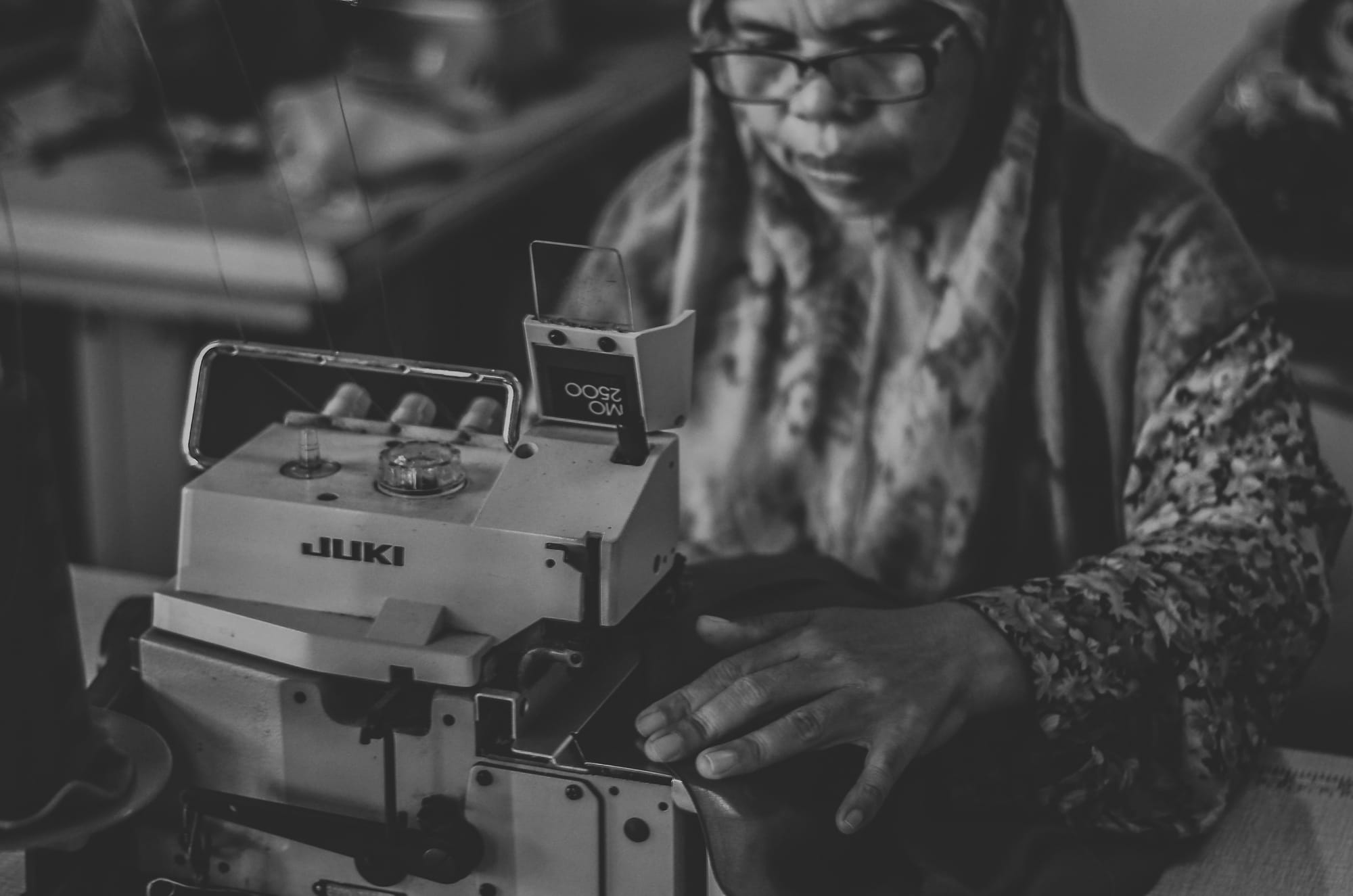
Sustainable Growth: Local enterprises pay taxes that fund public infrastructure and services, and they're less likely to relocate or close suddenly. This stability strengthens the local economic fabric, as shown in studies by institutions like the Massachusetts Institute of Technology.
Community Building: Local businesses actively participate in charitable activities and community events, enhancing social cohesion and contributing to a stronger, more connected society. Research in the Journal of Urban Economics shows that communities with more local businesses demonstrate better economic and social performance.
While some luxury materials may need to be imported, options like Indonesian batik and locally sourced leather allow consumers to support domestic industries and craftsmanship.
5. Preserving Indonesian Traditions and Culture
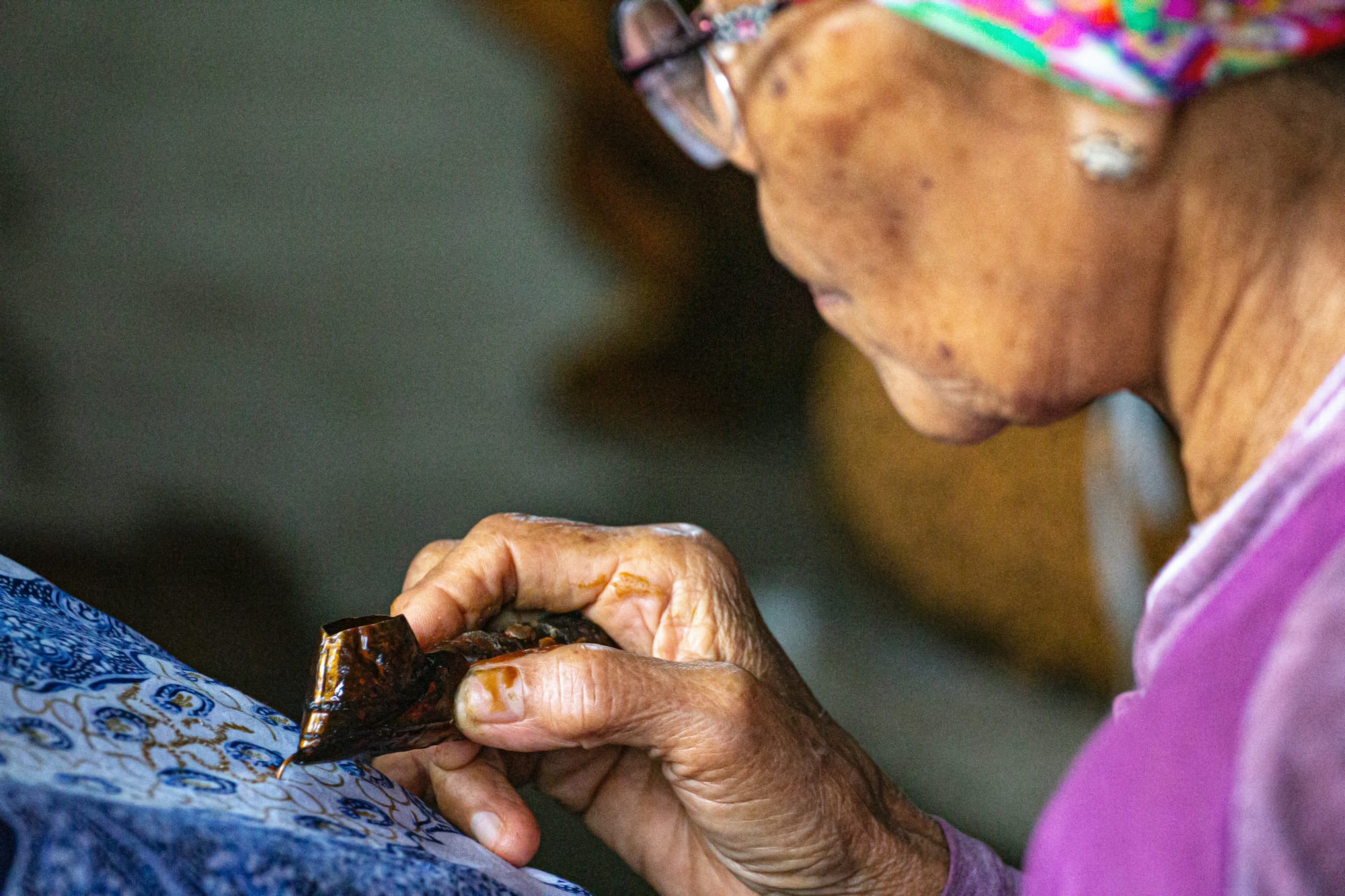
Choosing tailored clothing also preserves cultural heritage. Traditional textile arts and tailoring techniques are central to Indonesia's identity, including batik (both hand-drawn and stamped), tenun (handwoven fabrics), textiles made from banana fiber or bark, and shoemaking traditions from regions like Bandung.
Preserving these customs matters for several reasons:
- Fostering Identity and Belonging: Local traditions give communities a sense of belonging and pride. They strengthen emotional ties to heritage and reinforce social bonds.
- Connecting Past and Present: Tradition serves as a living bridge to history, helping younger generations appreciate the values, wisdom, and skills passed down through time. This connection builds a richer understanding of cultural identity and social evolution.
- Embracing Diversity: As stated in Surah Hujurat Ayat 13, diversity is divinely ordained. Cultural variety should be celebrated rather than erased by homogenized global fashion trends.
- Adapting and Evolving: Traditions aren't static—they evolve over time. The development of new batik motifs and techniques shows how contemporary artisans blend fresh ideas with established practices, keeping heritage vibrant and relevant.
- Strengthening Community: Cultural traditions build community resilience. Strong communal bonds help societies face challenges together with greater solidarity.
Indonesia's textile traditions are remarkably rich and diverse, deserving greater appreciation and ongoing support.
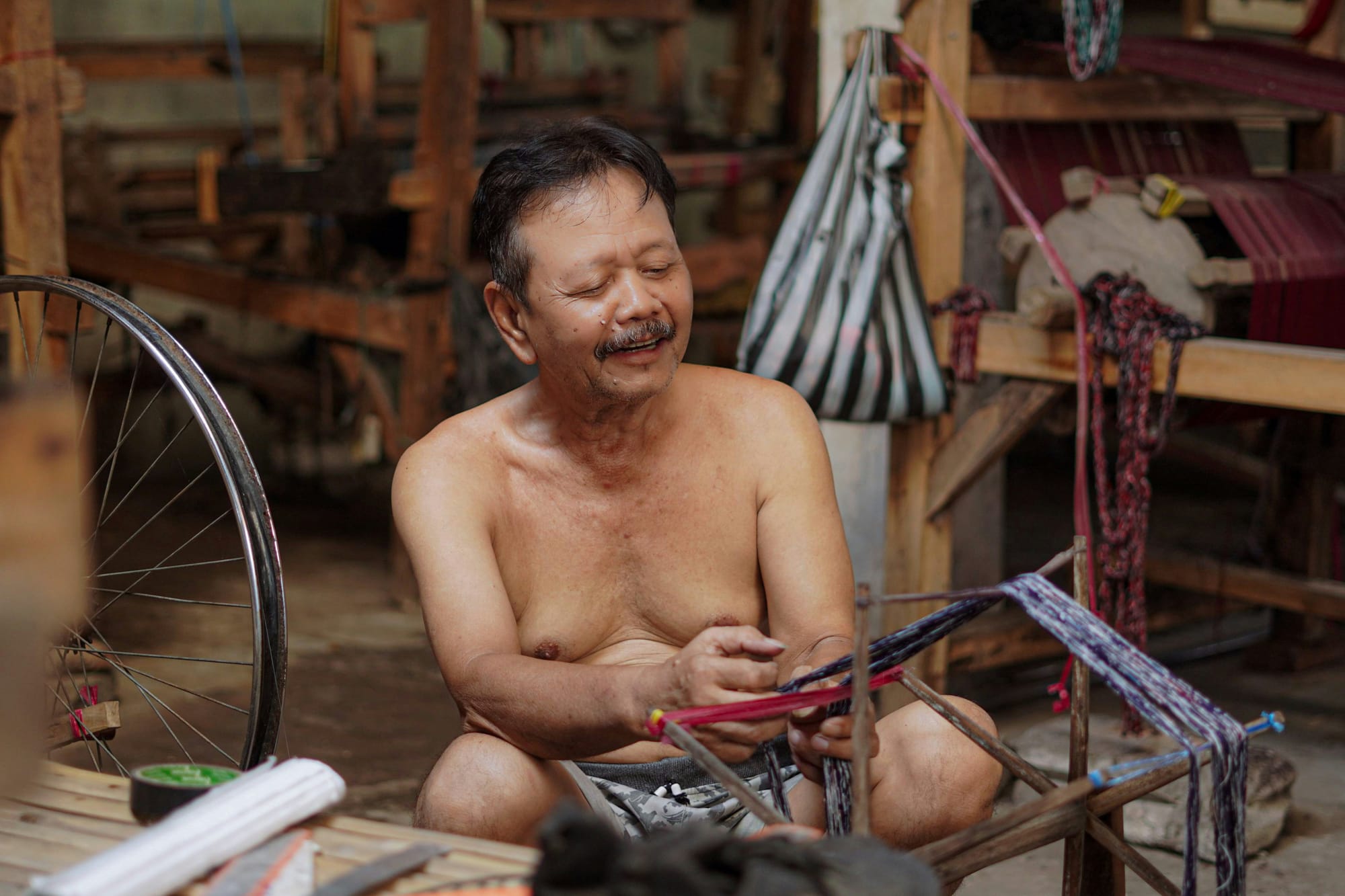
An Indonesian man prepares yarn for the hand-operated looms behind him. Indonesian tenun are hand-woven fabrics that come in many varieties from many regions. Photo by al fakhry on Unsplash.
Conclusion
The choice to wear tailored menswear extends far beyond personal appearance. It represents a conscious decision to resist harmful fast fashion, uphold human rights, reduce environmental damage, strengthen local economies, and preserve cultural heritage.
As Surat Al-An'am (verse 141) reminds us:
…But waste not by excess, for Allah does not love the wasters." In an era of rampant waste and fleeting trends, mindful clothing choices become both an ethical and spiritual imperative.
By choosing tailored menswear, we can tread lightly on the earth, support communities, and help safeguard traditions for future generations. In this way, dressing well becomes not merely a matter of personal pride, but a meaningful contribution to the greater good.

Comments ()