
Suit Basics #1: Choosing the Suit Lapel Style for Every Occasion
Lapels define a suit’s character, shaping formality and silhouette. From versatile notch lapels to authoritative peaks and refined shawls, understanding each style helps you dress confidently for business, weddings, and formal events.
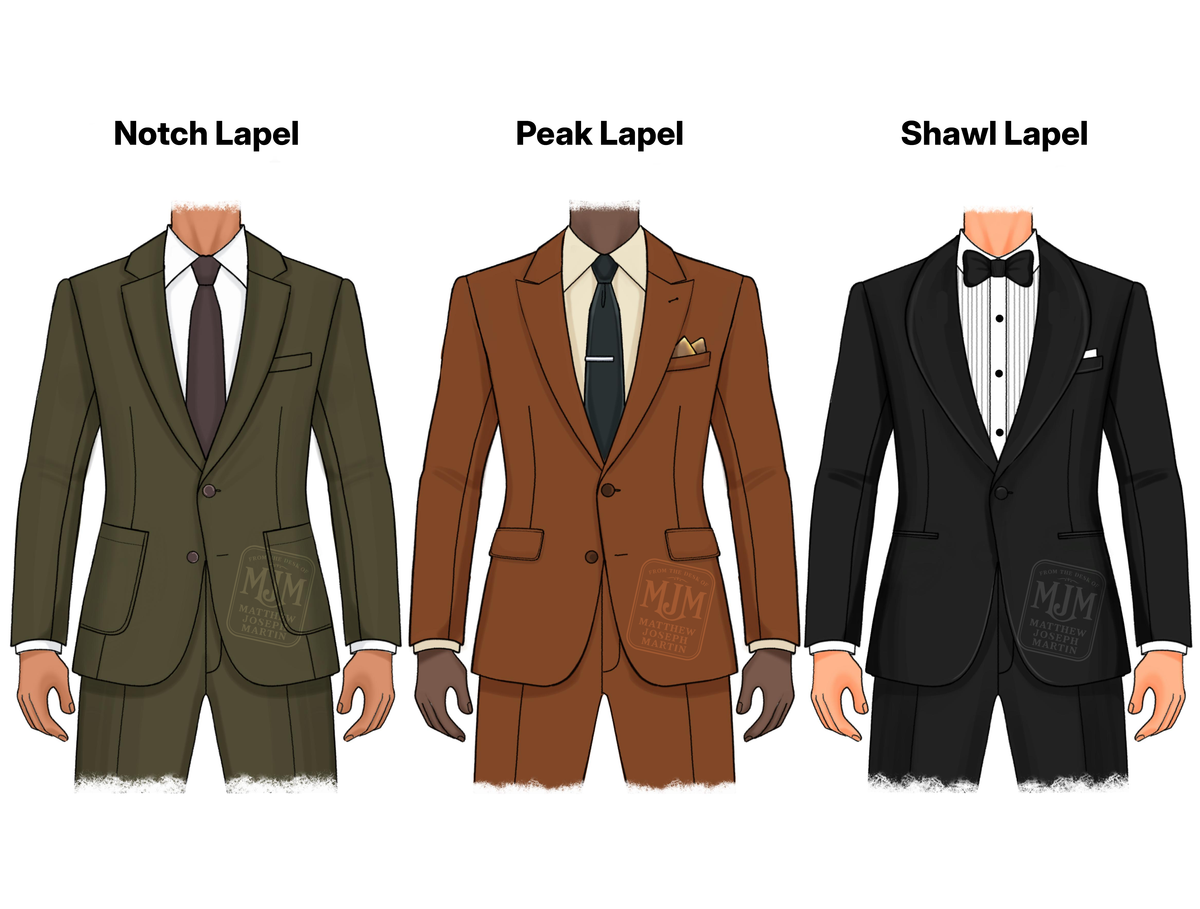
The lapel is one of the most defining elements of a well-tailored suit. Though often overlooked, lapels do more than influence style and formality—they help shape the wearer's silhouette. Understanding the differences between lapel types allows you to dress confidently for any occasion, from business meetings to weddings and social events.
This guide covers the basics of suit lapels, their shapes, and when to wear each style.
What is a Lapel?
A lapel is the folded flap of cloth on the front of a jacket or coat that extends from mid-chest to meet the collar. Historically, lapels had a practical purpose in outerwear—they could be turned up for extra warmth and protection from the elements.
In modern suits, however, lapels serve mainly an aesthetic purpose. A well-designed lapel frames the chest, enhances masculine proportions, and creates the appearance of a broader chest with a tapered waist. Even without naturally athletic features, proper lapels can significantly improve your overall appearance.
The Three Main Lapel Styles
Lapel styles correspond to different levels of formality and come in three main types: notch, peak, and shawl. Each conveys a distinct message and suits specific occasions and jacket styles.
Lapel Type #1: Notch Lapel
The notch lapel features a triangular cut-out—the "notch"—where the collar meets the lapel. This intersection is called the "gorge." Notch lapels are the most common and versatile style, appropriate for many settings.
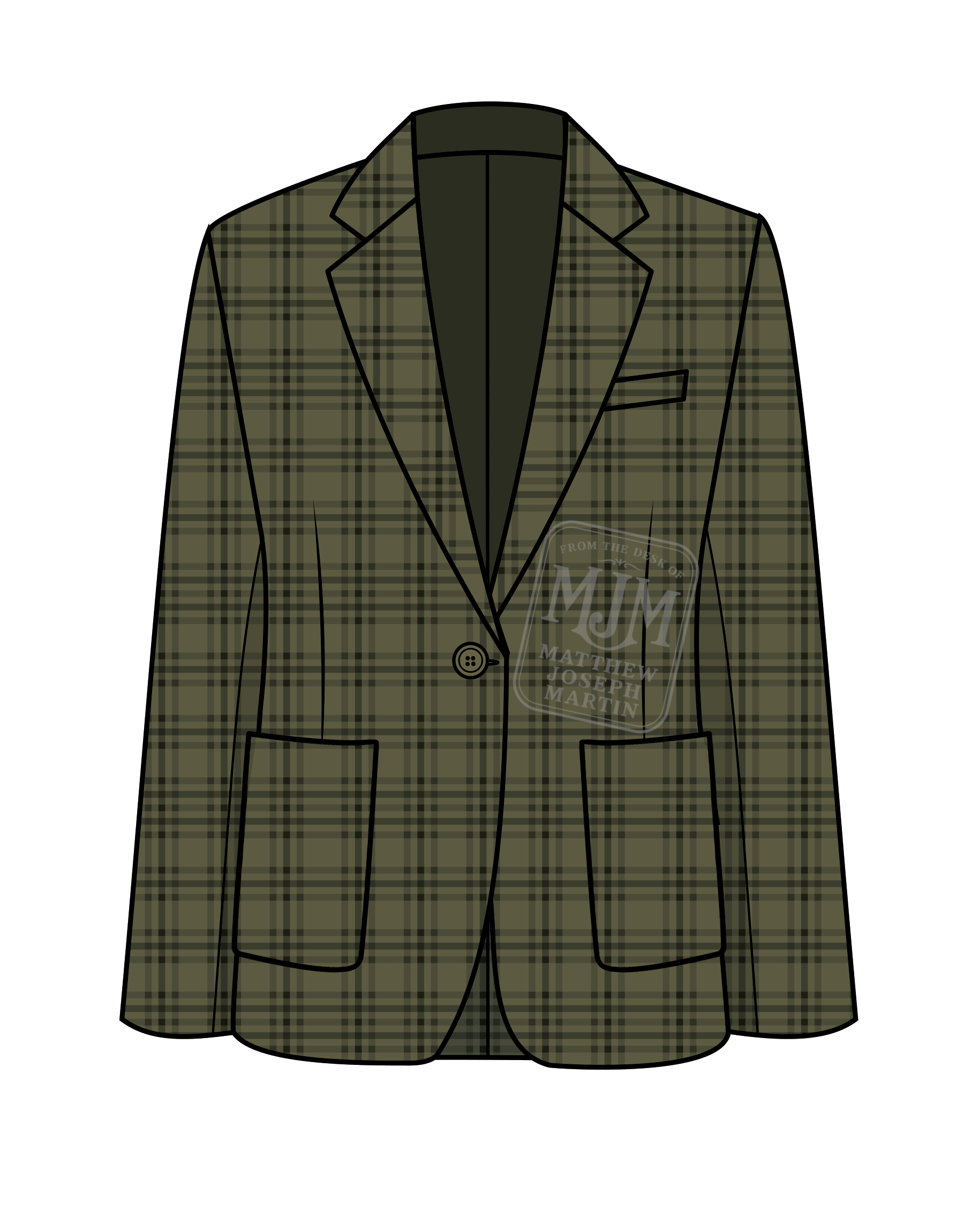
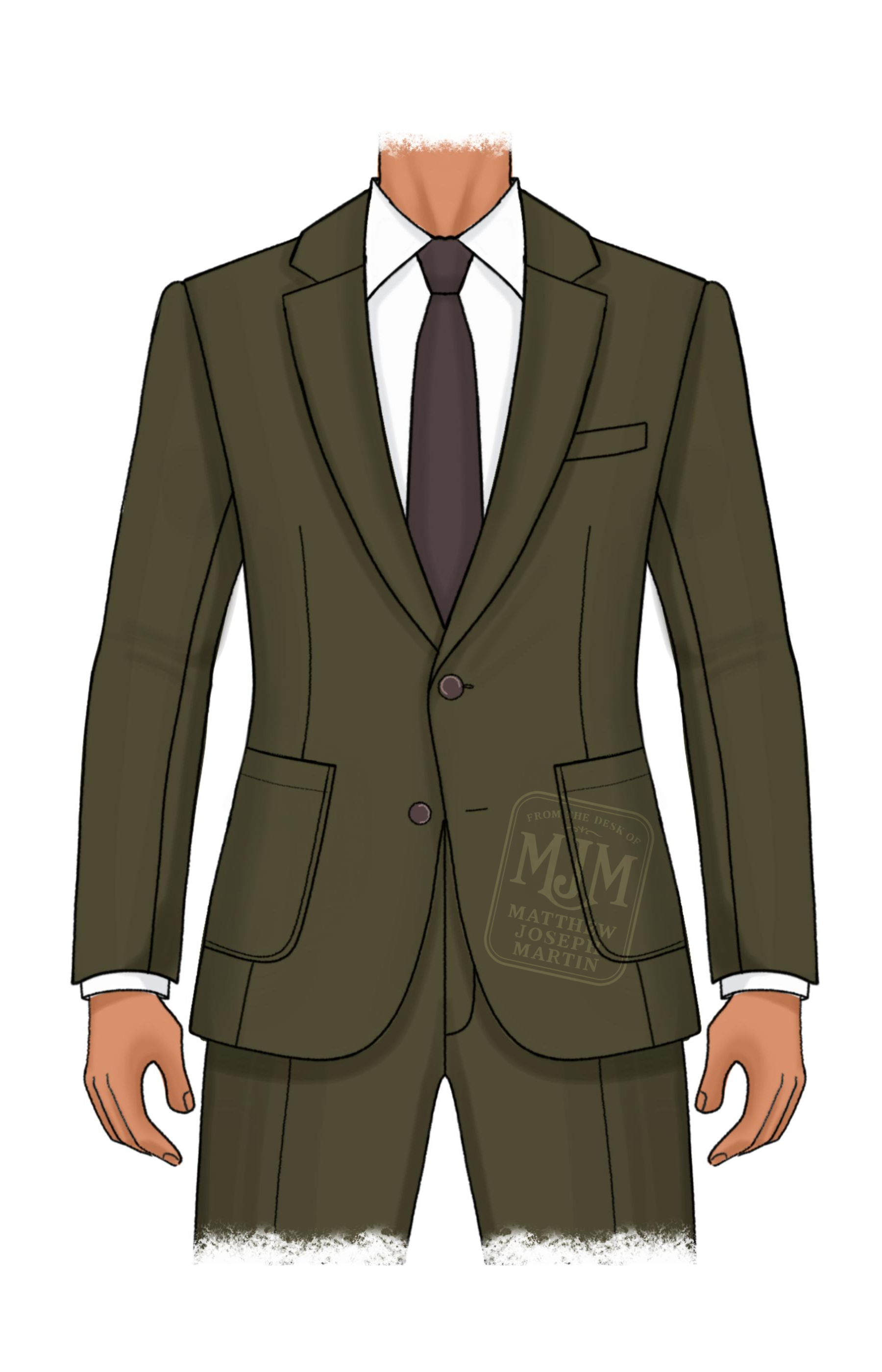
Illustrations of Notch Lapels
Appropriate Settings
- Business
Perfect for the office, meetings, and corporate events. Notch lapels project professionalism and approachability. - Personal Events
Suitable for dinners, daytime weddings, and social gatherings. Their understated style works for both formal and semi-formal occasions.
While notch lapels are versatile, they work best for daytime events or less formal evening occasions. They aren't appropriate for events with strict dress codes like "Black Tie."
Jacket Types
- Single-breasted suits
- Sports jackets
- Blazers
IMPORTANT: Notch lapels should never be used on double-breasted ("DB") suits or tuxedos/dinner-jackets because they lack the necessary formality to match those cuts and styles.
Wardrobe Examples
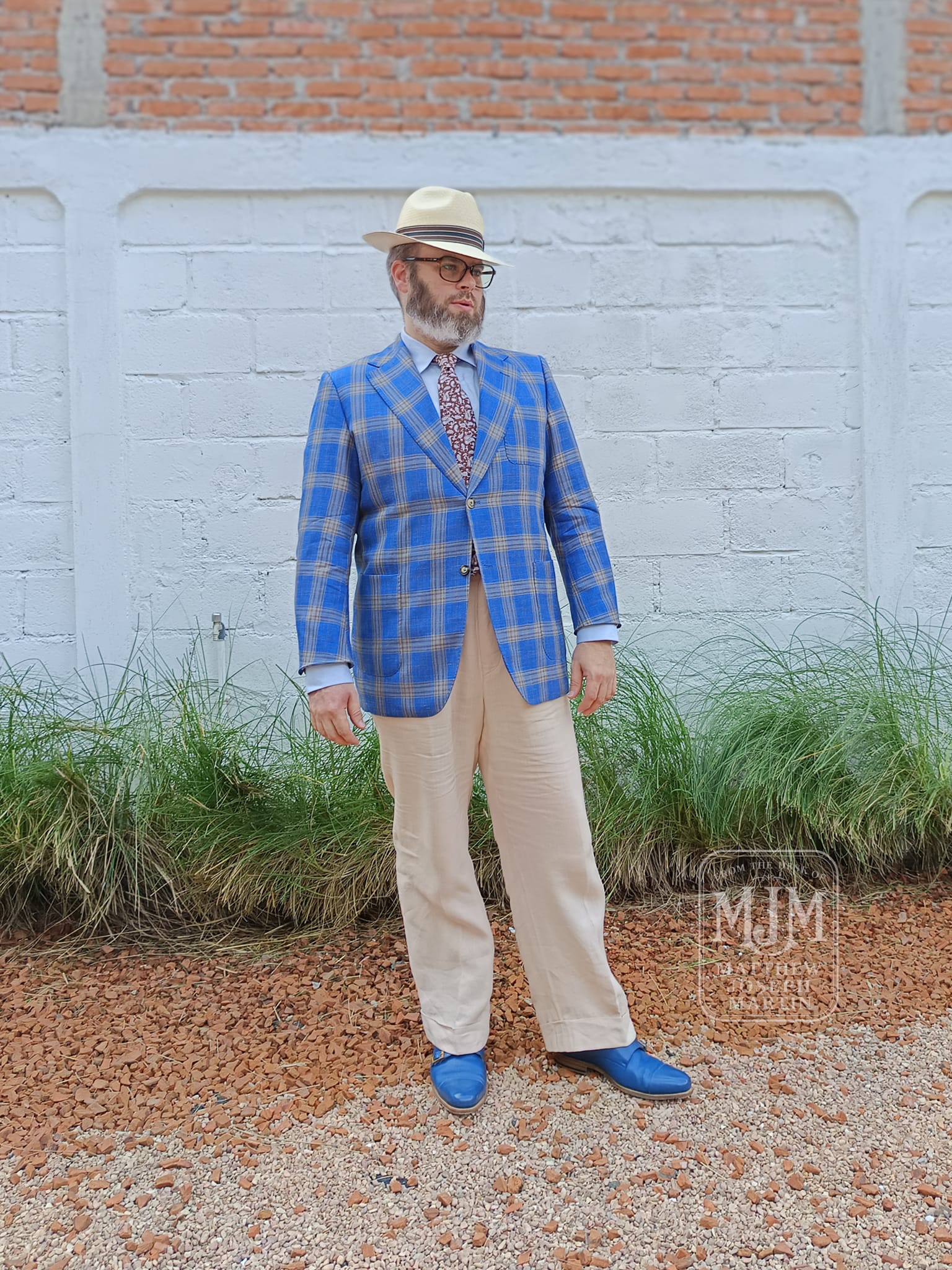

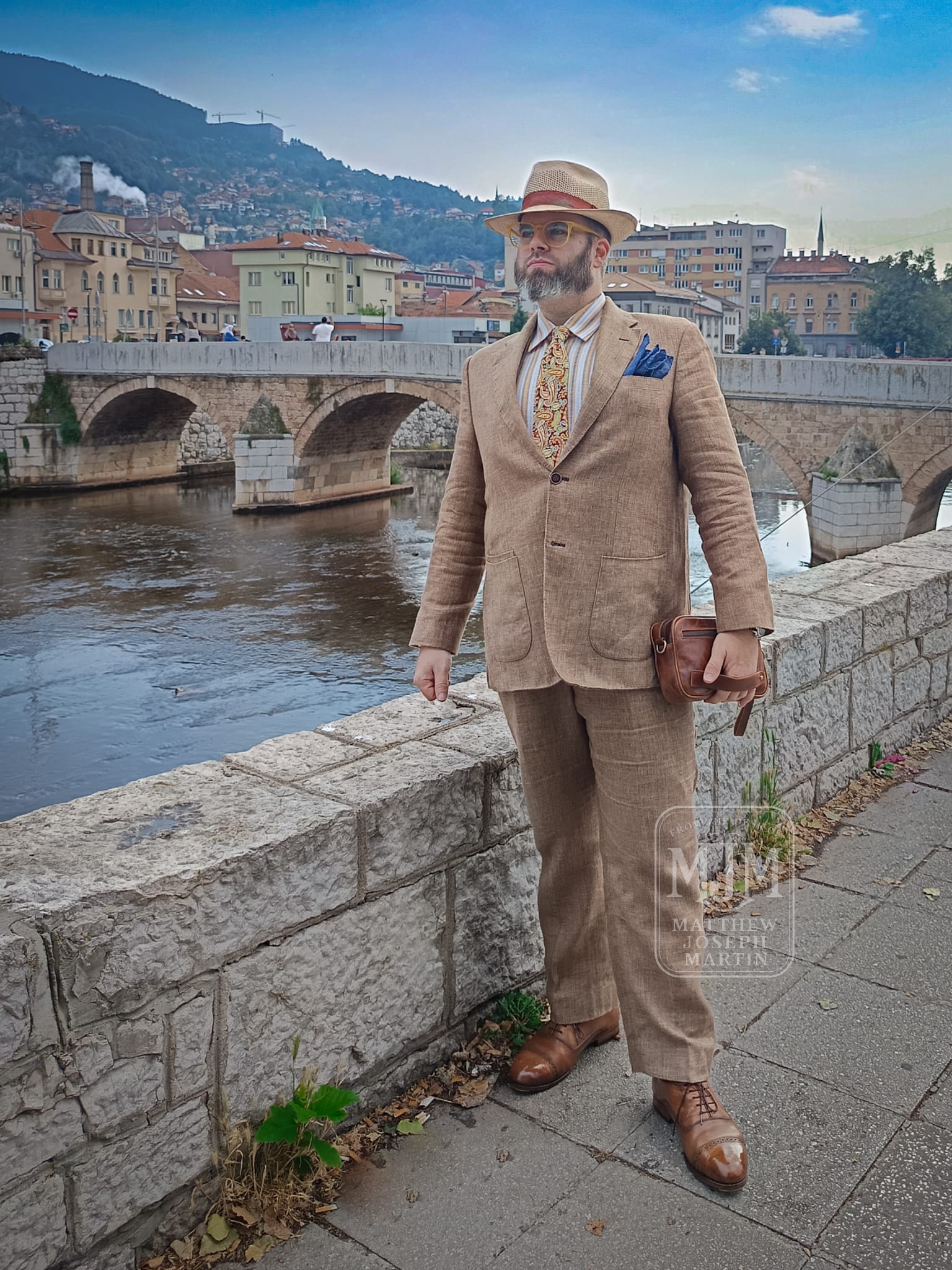
Some examples of outfits featuring notch lapel from my wardrobe.
Lapel Style #2: Peak Lapel
Peak lapels have pointed "peaks" that angle upward from the lapel's edge, creating a sharp, distinctive look. This style is more formal and conveys sophistication and authority.
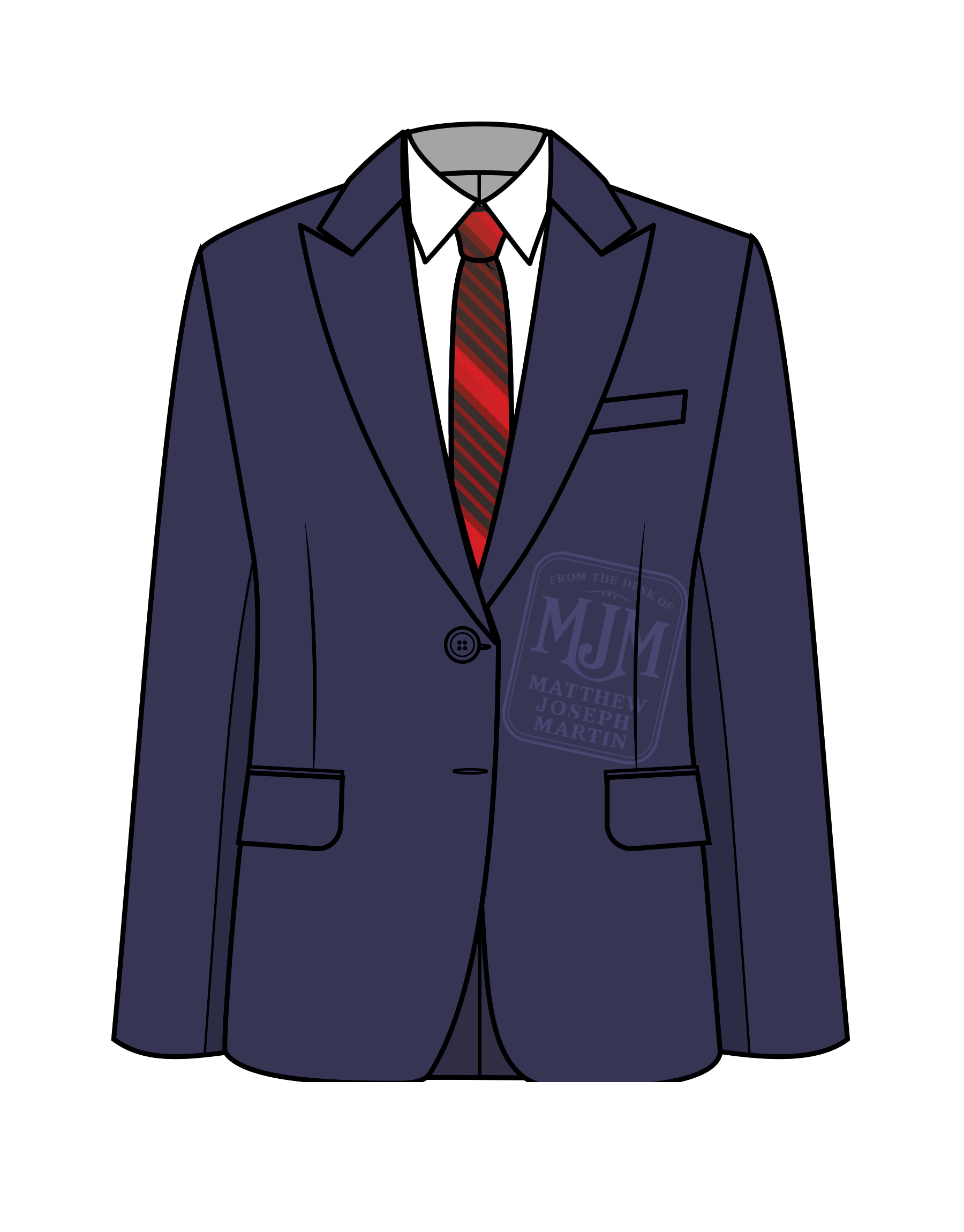
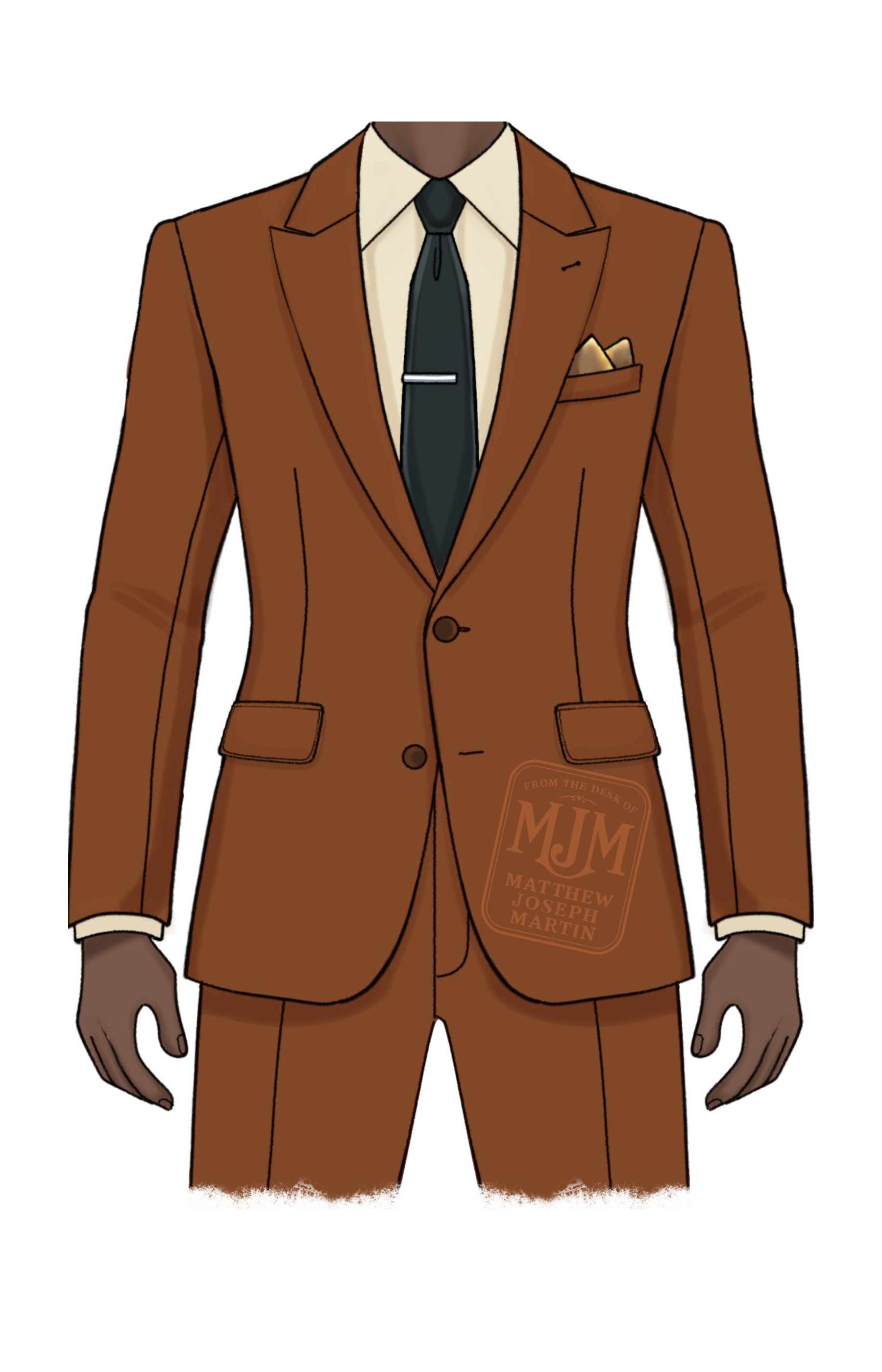
Illustrations of Peak Lapels
Appropriate Settings
- Business
Ideal for high-level meetings and situations where you want to project confidence. Less common in everyday business settings but excellent for making a strong impression. - Formal Events
The preferred choice for black tie events, weddings, and evening galas.
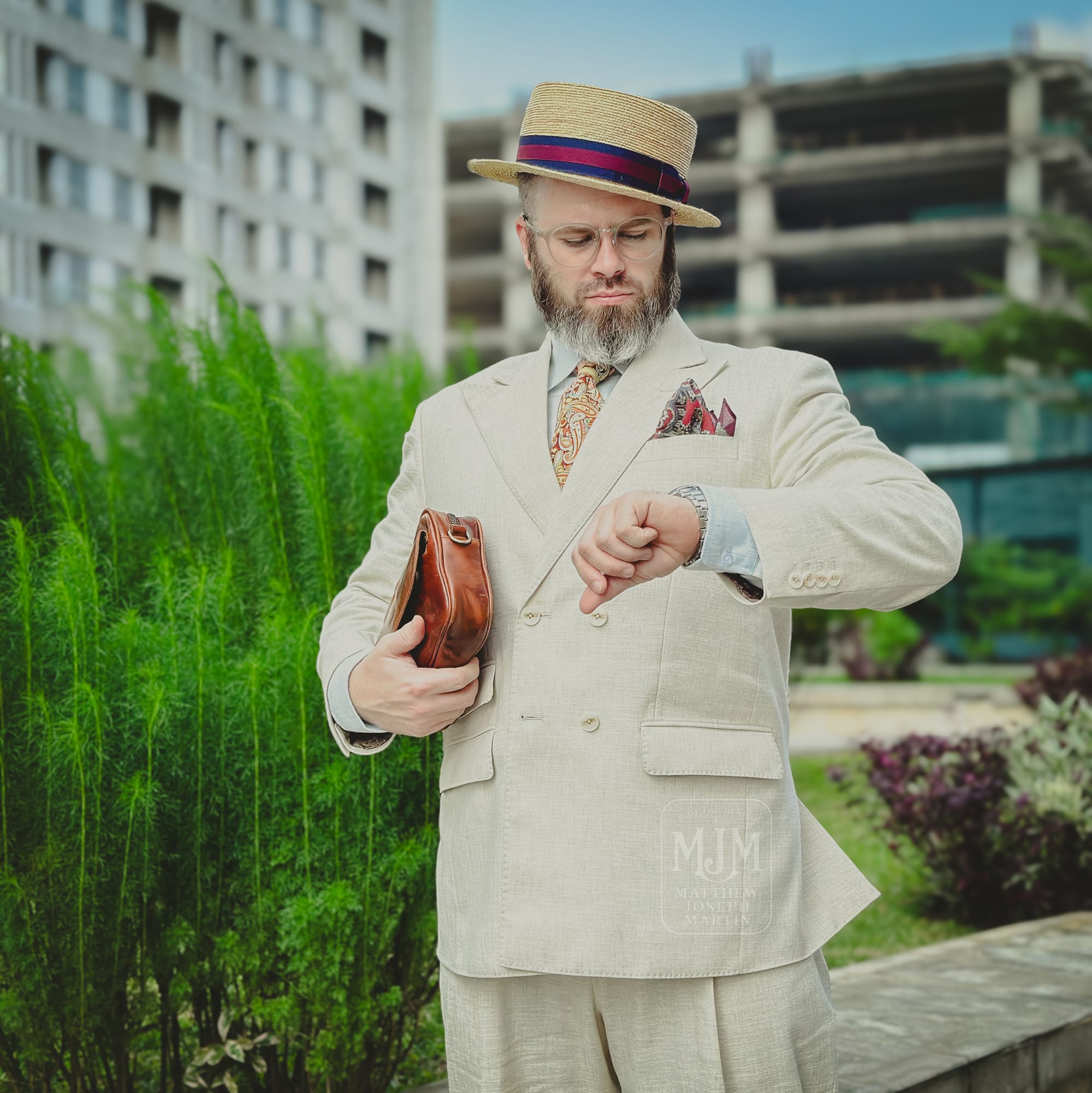
Peak lapels are standard on tuxedos and required for double-breasted jackets. They add formality to any suit, making them perfect for those seeking an elegant, distinguished appearance.
Jacket Types
- Single-breasted suits
For a slight added formality - Double-breasted ("DB") suits
Always with peak lapels; don't even think about doing a notch lapel! - Tuxedos
Formal evening wear
Peak lapels don't work well on casual blazers or sport coats, as their formality clashes with the relaxed nature of these garments.
Wardrobe Examples
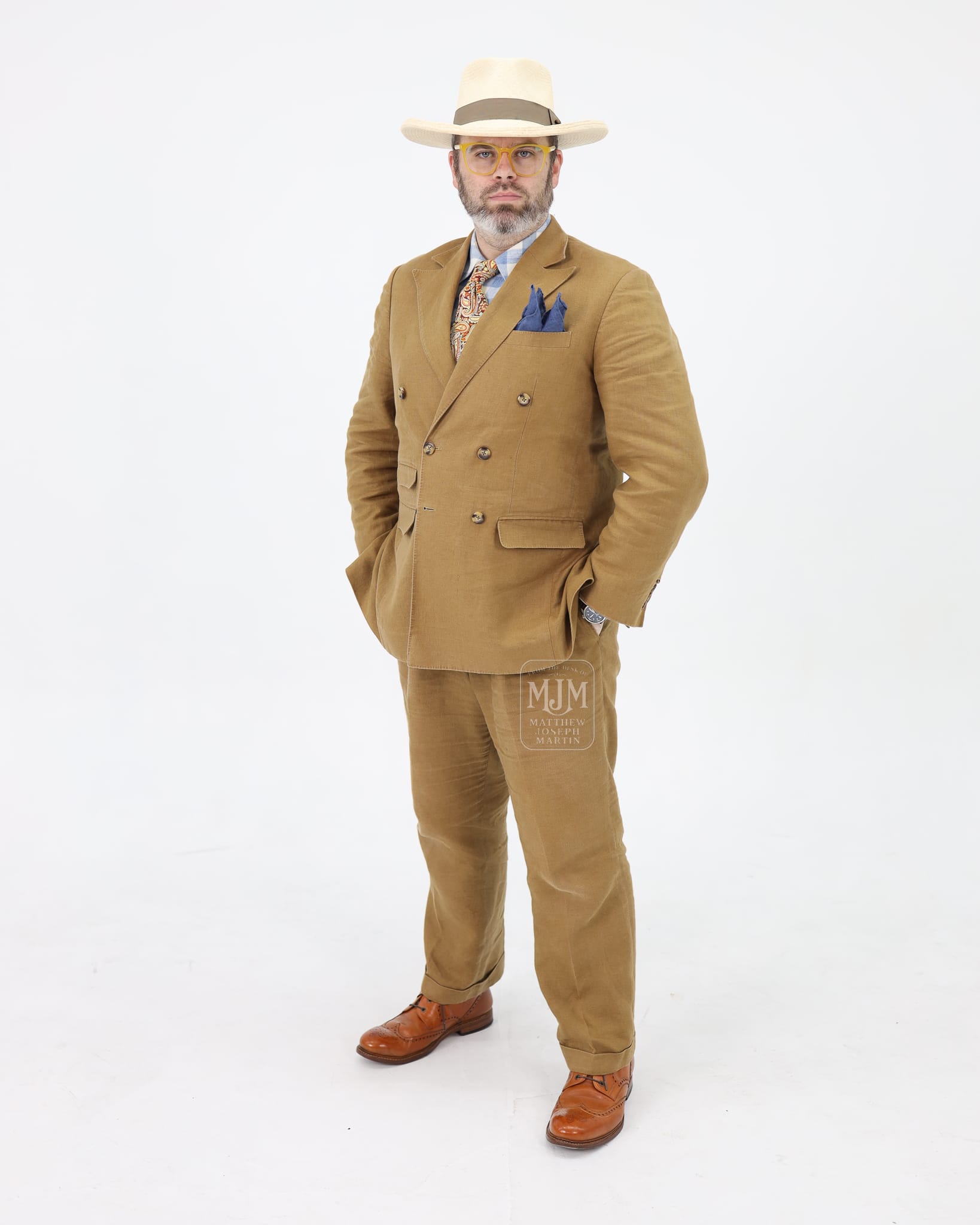
Lapel Type #3: Shawl Lapel
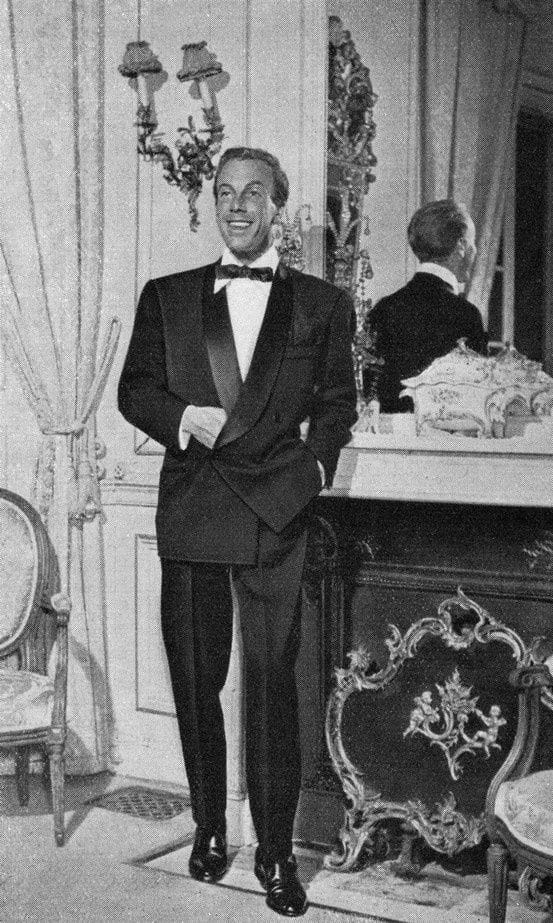
The shawl lapel has a smooth, continuous curve with no angular gorge. This style exudes luxury and refinement and is reserved for the most formal occasions.
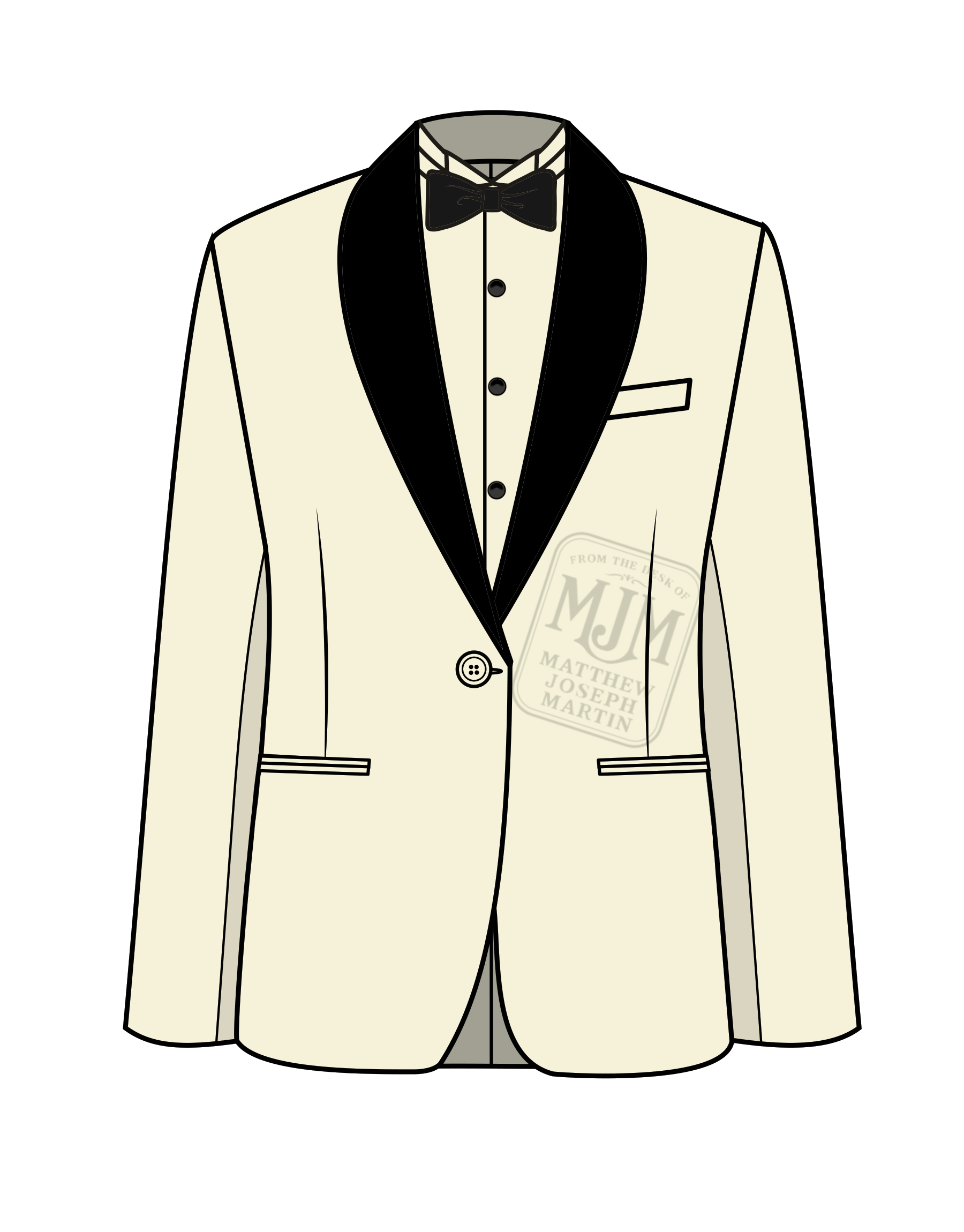
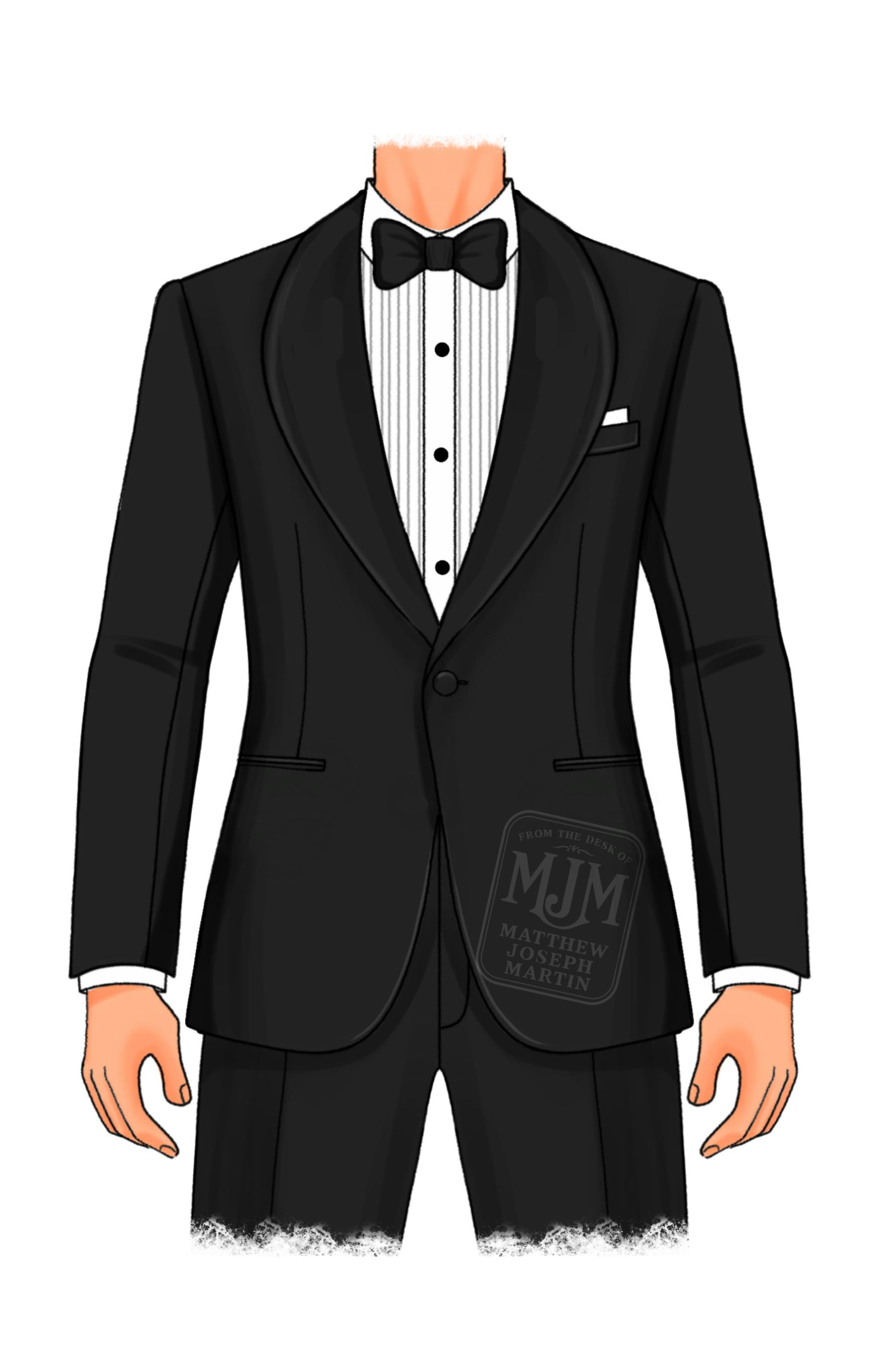
Illustrations of Shawl Lapels
Appropriate Settings
- Formal Events
Perfect for black tie galas, evening receptions, and evening weddings. Shawl lapels are quintessential for tuxedos and dinner jackets, often made with contrasting fabrics like satin for extra elegance. - Dressy but Intimate Evening Events
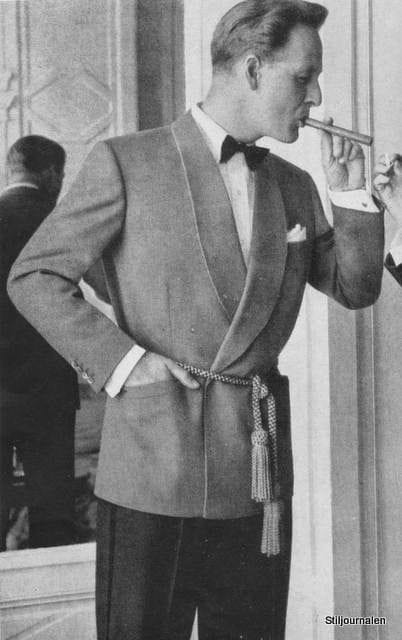
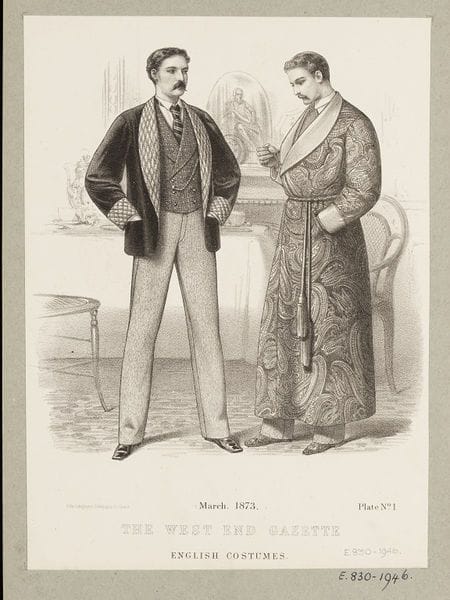
A smoking jacket is an example of a classic garment meant to be formal but for more intimate and casual settings. Men would change into this to go into the smoking room to stay dressy but protect their dinner jacket from the smoke.
Shawl lapels are NOT suitable for business attire or professional settings, as their soft lines suggest luxury rather than authority. You will look odd if you try to wear one of these to a business event, unless it's an evening event calling for black-tie like a gala dinner (but even so, these days for most "gala dinners" people just wear their business suits and noone actually wears black tie).
Jacket Types
- Tuxedos
Especially for tropical tuxedo (see: James Bond) - Dinner jackets
This is the most common configuration for velvet for a satin dinner jacket
The "smoking jacket," a related garment, also features a shawl lapel but occupies its own unique place in formal wear.
Shawl Lapel Wardrobe Examples
I don't (yet) own a jacket with a shawl lapel. Here's some vintage examples:
Summary and Recommendations
Understanding lapel types is essential for building a versatile, stylish wardrobe. For those new to classic menswear, the notch lapel is the most practical and flexible option, serving well in most business and social contexts. As your wardrobe grows, adding peak lapels allows for greater distinction at formal events. For eveningwear, the shawl lapel is the ultimate mark of refined formality.
Lessons from the Seerah of Prophet Muhammad
The traditions of classic menswear reflect timeless wisdom, similar to the guidance found in Sahih Muslim, where Prophet Muhammad (peace be upon him) encouraged his companions to present themselves well when returning from travel:
"You are coming to your brothers, so put your saddles in order and wear nice clothes so that you stand out among the people as a beauty mark, for Allah does not like ugliness."
In today's increasingly casual world, understanding how to select the right lapel—and by extension, the right suit—offers a way to embody timeless principles of dignity and self-respect.
By mastering the nuances of lapels and their formality levels, you can dress confidently for any occasion, honoring both tradition and personal excellence.


Comments ()